Stepping into a Spanish-speaking classroom, whether it’s for a language course, a university class, or another learning setting, can feel both exciting and a little nerve-wracking. You want to participate, understand your teacher, and chat with classmates, but you might not have the specific words you need.
This guide covers useful classroom phrases in Spanish for greetings, instructions, attendance, clarification, school supplies, and class schedules so you can participate with more confidence from the very first day.
Table of Contents
A Quick Note on Formality (Tú vs. Usted)
Classroom culture varies across the Spanish-speaking world. In some classrooms, usted is expected or preferred when speaking to a teacher; in others, tú is completely normal. Usage depends on the country, institution, age group, and individual teacher. In an unfamiliar setting, starting with usted can be a cautious choice, but listen to how the teacher and other students speak and follow the local pattern. For example, ¿Puede repetir? uses usted, while ¿Puedes repetir? uses tú.
Classroom Greetings and Addressing Teachers
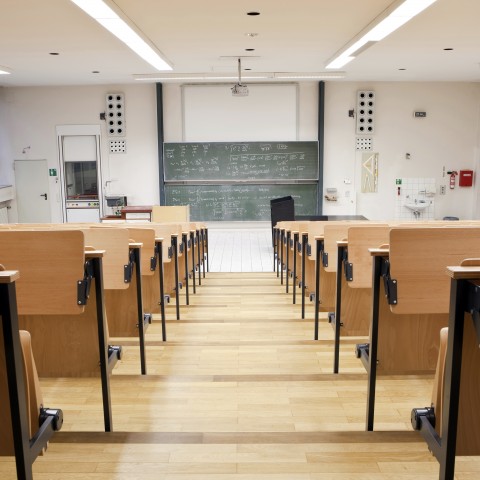
First things first: knowing how to greet your teacher and classmates helps you start naturally.
Common greetings include:
- Hola. (“Hello.”)
- Buenos días. (“Good morning.”)
- Buenas tardes. (“Good afternoon.”)
Common ways to address a teacher include:
- profesor (“teacher” / “professor” for a man)
- profesora (“teacher” / “professor” for a woman)
- profe (an informal shortened form used for either)
In some regions and school contexts, especially at the primary level, you may also hear maestro or maestra. Preferred titles vary, so follow the usage around you.
Dialogue: Classmate Greeting
Anna: ¡Hola, Leo! ¿Cómo estás?
“Hi, Leo! How are you?”Leo: Hola, Anna. Estoy bien, gracias. ¿Y tú?
“Hi, Anna. I’m well, thanks. And you?”
Dialogue: Student and Teacher Greeting
Student: Buenos días, profesora.
“Good morning, Professor.”Teacher: Buenos días a todos. ¿Listos para empezar?
“Good morning, everyone. Ready to start?”
Understanding and Following Teacher Instructions

To keep up with the lesson, you need to recognize common classroom directions.
Common Classroom Instructions
- Abran el libro en la página… (“Open your books to page…”)
- Escuchen. (“Listen.”)
- Repitan. (“Repeat.”)
- Levanten la mano. (“Raise your hand.”)
- Trabajen en parejas. (“Work in pairs.”)
Instructions for Exercises and Assignments
- Escriban la respuesta. (“Write the answer.”)
- Subrayen la palabra. (“Underline the word.”)
- Completen las oraciones. (“Complete the sentences.”)
- Entreguen la tarea. (“Hand in your homework.”)
- Tienen cinco minutos. (“You have five minutes.”)
These commands use the ustedes plural form, which is standard throughout Latin America and is also used formally in Spain. In much of Spain, you may also hear informal vosotros commands such as abrid el libro (“open your books”) or escuchad (“listen”). You do not need to master both systems immediately; simply be aware that the forms can vary by region.
Dialogue: In the Classroom
Teacher: Por favor, saquen una hoja de papel y escriban su nombre. Tienen diez minutos para completar el ejercicio.
“Please take out a sheet of paper and write your name. You have ten minutes to complete the exercise.”Student: De acuerdo, profe.
“Okay.”
Attendance, Absence, and Tardiness
Knowing what to say during roll call, after an absence, or when you arrive late can make classroom situations much easier.
When the teacher calls your name, you can answer:
- Presente. (“Present.”)
- Aquí. (“Here.”)
Your teacher might say:
- Vamos a pasar lista. (“Let’s take attendance.”)
- ¿Está Anna? (“Is Anna here?”)
- ¿Quién falta hoy? (“Who is absent today?”)
If you’re running late:
- ¿Puedo pasar? (“May I come in?”)
- Perdón por llegar tarde. (“Sorry I’m late.”)
If you need to explain an absence:
- Ayer falté a clase porque estaba enfermo/enferma. (“I missed class yesterday because I was sick.”)
- Mañana no puedo venir a clase. (“I can’t come to class tomorrow.”)
Dialogue: Arriving Late
Student: (knocks on the door) Buenos días. ¿Puedo pasar? Perdón por llegar tarde.
“Good morning. May I come in? Sorry I’m late.”Teacher: Sí, adelante. Siéntate, por favor.
“Yes, come in. Take a seat, please.”
Asking for Clarification, Help, and Permission

If you do not understand something, these phrases help you ask for assistance politely.
When You Don’t Understand
- No entendí. (“I didn’t understand.”)
- ¿Puede repetir, por favor? (“Can you repeat, please?”)
- ¿Puede hablar más despacio, por favor? (“Can you speak more slowly, please?”)
Language-Learning Questions
- ¿Qué significa…? (“What does … mean?”)
- ¿Cómo se dice … en español? (“How do you say … in Spanish?”)
- ¿Puede escribirlo, por favor? (“Can you write it down, please?”)
Asking Permission
- ¿Puedo hacer una pregunta? (“Can I ask a question?”)
- ¿Puedo ir al baño? (“May I go to the bathroom?”)
Dialogue: Asking for Clarification
Student: Profesora, disculpe. ¿Qué significa “subrayar”?
“Professor, excuse me. What does ‘subrayar’ mean?”Teacher: Significa poner una línea debajo de una palabra o frase.
“It means to put a line under a word or phrase.”
Talking About School Supplies and What You Need

Forgot something or need to borrow a classroom item? These words and phrases will help.
Common School Supplies
- el libro (“book”)
- el cuaderno (“notebook”)
- el lápiz (“pencil”)
- el bolígrafo / la pluma (“pen”)
- la goma / el borrador (“eraser”)
- la regla (“ruler”)
- la mochila (“backpack”)
Vocabulary varies by region. For example, goma is common for “eraser” in Spain, while borrador is common in many Latin American countries. Bolígrafo and pluma also vary in frequency by region.
Asking a Classmate
- ¿Me prestas un lápiz, por favor? (“Can you lend me a pencil, please?”)
- ¿Tienes otro bolígrafo? (“Do you have another pen?”)
- ¿Puedo usar tu goma? / ¿Puedo usar tu borrador? (“Can I use your eraser?”)
- Se me olvidó el cuaderno. (“I forgot my notebook.”)
Dialogue: Borrowing Supplies
Anna: Se me olvidó el bolígrafo. Leo, ¿me prestas uno, por favor?
“I forgot my pen. Leo, can you lend me one, please?”Leo: Sí, claro. Toma.
“Yes, of course. Here you go.”
Talking About Subjects and Class Schedules
Classmates often talk about their courses, schedules, and the subjects they enjoy.
Common Subjects
- matemáticas (“math”)
- español (“Spanish”)
- inglés (“English”)
- historia (“history”)
- geografía (“geography”)
- ciencias (“science”)
- arte (“art”)
- música (“music”)
- educación física (“physical education”)
Both asignatura and materia can mean “school subject”; which one you hear more often depends on the region.
Talking About Preferences and Ability
- Mi asignatura favorita es… / Mi materia favorita es… (“My favorite subject is…”)
- Soy bueno/buena en… (“I’m good at…”)
- No soy muy bueno/buena en… (“I’m not very good at…”)
Questions About Your Schedule
- ¿Qué clase tenemos después? (“What class do we have next?”)
- ¿A qué hora empieza la clase? (“What time does class start?”)
- ¿Cuándo es el examen? (“When is the exam?”)
- ¿Para cuándo es la tarea? (“When is the homework due?”)
Dialogue: Favorite Subjects
Anna: Mi asignatura favorita es historia. Se me da bien recordar fechas. ¿Y la tuya, Leo?
“My favorite subject is history. I’m good at remembering dates. What about yours, Leo?”Leo: Prefiero las matemáticas. Se me dan bien los números.
“I prefer math. I’m good with numbers.”
Quick Self-Check
Before you finish, see whether you can handle these five classroom situations:
- Your teacher says Abran el libro en la página veinte. Do you know what to do?
- Your name is called during attendance. Can you respond naturally?
- You did not understand an instruction. Can you ask the teacher to repeat it more slowly?
- You forgot your pen. Can you ask a classmate to lend you one?
- You want to know when the exam is. Can you ask the question in Spanish?
If you can handle those situations, you already have a practical set of Spanish classroom phrases for following instructions, asking for help, and interacting with classmates.
Want to reinforce this vocabulary with video lessons? Start with Spanish Expressions and Words for the Classroom 1, then continue with Spanish Expressions and Words for the Classroom 2 on SpanishPod101.com. ¡Buena suerte! (“Good luck!”)