Moving to Mexico is exciting, until you need to deal with your first immigration document, bank appointment, utility contract, or repair problem in Spanish.
You may already know how to introduce yourself, order food, or ask for directions. But everyday life in Mexico requires a different kind of Spanish. Immigration procedures, government paperwork, banking, healthcare, housing, phone contracts, and customer service all come with words and expressions that may never appear in a beginner textbook.
If you’ve ever looked at an official form and wondered what it says or felt nervous speaking with an employee at a government office, you’re not alone. The good news is that many everyday situations follow predictable patterns, and you don’t need perfect Spanish to handle them.
This guide brings together 160+ essential Spanish phrases organized around the situations you’re likely to encounter while living in Mexico. Use it as a reference before an appointment, phone call, errand, or difficult conversation.
Table of Contents
What Spanish Do You Need to Live in Mexico?
To live more independently in Mexico, you’ll need practical Spanish for much more than shopping and socializing.
| Situation | You’ll Use Spanish For |
|---|---|
| Immigration & Residency | Residence cards, applications, renewals, documents |
| Government Services | CURP, certificates, address changes, official paperwork |
| Taxes | RFC, SAT appointments, tax documents |
| Banking & Contracts | Accounts, cards, transfers, utilities, phone plans |
| Healthcare | Appointments, insurance, doctors, pharmacies |
| Housing | Renting, deposits, repairs, landlords, neighbors |
| Emergencies | Medical help, police, lost or stolen belongings |
| Daily Services | Deliveries, postal services, returns, customer service |
Foreign residents may deal with several different institutions depending on their circumstances. The Instituto Nacional de Migración (INM) handles immigration matters, while other procedures may involve agencies such as RENAPO, SAT, or IMSS. Exact requirements depend on the person’s immigration and employment situation, so official instructions should always be checked before an important procedure.
The goal isn’t to memorize everything at once. Start with the situations you’re likely to face soon and build from there.
Why Practical Spanish Can Feel Different from Textbook Spanish
Everyday conversational Spanish and the Spanish you encounter in paperwork or official situations can feel surprisingly different.
A beginner course may teach you to talk about your family or order lunch. Then an official asks for your comprobante de domicilio (“proof of address”), a bank asks for your RFC, or someone at immigration refers to your condición de estancia (“immigration status”).
Formal service interactions also tend to use usted rather than the informal tú.
Compare:
¿Me puedes ayudar?
“Can you help me?” – informal
¿Me puede ayudar?
“Can you help me?” – polite/formal
The good news is that many administrative and service conversations rely on recurring patterns. Once you learn expressions such as Quisiera… (“I would like…”), Necesito… (“I need…”), and ¿Dónde puedo…? (“Where can I…?”), you can reuse them in dozens of situations.
Essential Spanish Survival Phrases
These phrases are useful almost anywhere, especially when you need clarification or assistance.
| Spanish | English |
|---|---|
| Buenos días. | “Good morning.” |
| Buenas tardes. | “Good afternoon.” |
| Buenas noches. | “Good evening.” |
| Disculpe. | “Excuse me.” |
| Muchas gracias. | “Thank you very much.” |
| No entiendo. | “I don’t understand.” |
| ¿Puede repetirlo, por favor? | “Could you repeat that, please?” |
| ¿Puede hablar más despacio? | “Could you speak more slowly?” |
| ¿Habla inglés? | “Do you speak English?” |
| ¿Hay alguien que hable inglés? | “Is there someone who speaks English?” |
| ¿Qué significa esto? | “What does this mean?” |
| ¿Cómo se dice esto en español? | “How do you say this in Spanish?” |
| ¿Me lo puede escribir? | “Could you write it down for me?” |
| ¿Dónde tengo que ir? | “Where do I need to go?” |
| ¿Qué tengo que hacer? | “What do I need to do?” |
| Necesito ayuda. | “I need help.” |
| ¿Me puede ayudar? | “Can you help me?” |
| Tengo una cita. | “I have an appointment.” |
| ¿Necesito hacer una cita? | “Do I need to make an appointment?” |
| ¿Así está bien? | “Is this correct?” |
Asking for clarification is part of communicating successfully. If you don’t understand something, a simple ¿Puede repetirlo? can be more useful than pretending you understood.
Immigration & Residency Spanish
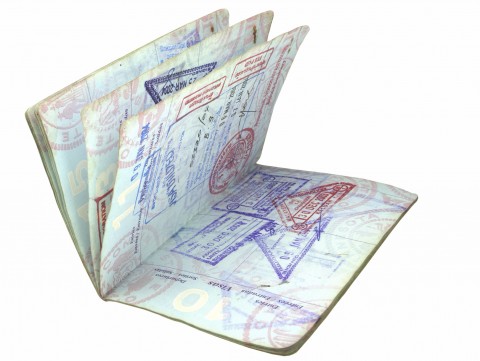
Foreign residents in Mexico may encounter terms such as residente temporal, residente permanente, tarjeta de residente, and condición de estancia. Immigration procedures are handled by the Instituto Nacional de Migración, and current procedures can involve both online forms and an in-person visit.
Essential Immigration Vocabulary
| Spanish | English |
|---|---|
| Instituto Nacional de Migración (INM) | “National Migration Institute” |
| tarjeta de residente | “resident card” |
| residente temporal | “temporary resident” |
| residente permanente | “permanent resident” |
| condición de estancia | “immigration status” |
| trámite migratorio | “immigration procedure” |
| solicitud | “application” |
| documentos | “documents” |
| pasaporte | “passport” |
| comprobante | “proof / receipt” |
Essential Immigration Phrases
| Spanish | English |
|---|---|
| Quisiera información sobre mi trámite migratorio. | “I’d like information about my immigration procedure.” |
| Quisiera solicitar la residencia temporal. | “I’d like to apply for temporary residency.” |
| Quisiera solicitar la residencia permanente. | “I’d like to apply for permanent residency.” |
| Quisiera renovar mi documento migratorio. | “I’d like to renew my immigration document.” |
| Quiero cambiar mi condición de estancia. | “I want to change my immigration status.” |
| ¿Qué documentos necesito? | “What documents do I need?” |
| ¿Tengo todos los documentos necesarios? | “Do I have all the necessary documents?” |
| ¿Falta algún documento? | “Is any document missing?” |
| ¿Necesito traer el original? | “Do I need to bring the original?” |
| ¿Necesito una copia? | “Do I need a copy?” |
| ¿Necesito una traducción oficial? | “Do I need an official translation?” |
| ¿Necesito fotografías? | “Do I need photographs?” |
| ¿Cuántas fotografías necesito? | “How many photographs do I need?” |
| ¿Dónde está el formato de solicitud? | “Where is the application form?” |
| ¿Tengo que llenar este formato? | “Do I need to fill out this form?” |
| ¿Me puede ayudar a llenar el formato? | “Can you help me fill out the form?” |
| ¿Tengo que firmar aquí? | “Do I need to sign here?” |
| ¿Dónde escribo mi domicilio? | “Where do I write my address?” |
| ¿Necesito hacer una cita? | “Do I need to make an appointment?” |
| ¿Cuánto cuesta el trámite? | “How much does the procedure cost?” |
| ¿Dónde puedo hacer el pago? | “Where can I make the payment?” |
| ¿Cuánto tarda el trámite? | “How long does the procedure take?” |
| ¿Cómo puedo revisar el estado de mi trámite? | “How can I check the status of my application?” |
| Recibí este aviso del INM. | “I received this notice from the INM.” |
| ¿Cuál es el siguiente paso? | “What is the next step?” |
Example Conversation at Immigration
You: Buenos días. Quisiera información sobre mi trámite migratorio.
“Good morning. I’d like information about my immigration procedure.”
Staff: Claro. ¿Qué trámite necesita realizar?
“Of course. What procedure do you need to complete?”
You: Quiero renovar mi documento migratorio. ¿Qué documentos necesito?
“I want to renew my immigration document. What documents do I need?”
Staff: Necesito ver su pasaporte y su tarjeta de residente.
“I need to see your passport and resident card.”
You: Claro. ¿Cuál es el siguiente paso?
“Of course. What is the next step?”
Learning how to explain why you’re there and ask about documents will carry you through many different administrative situations.
Moving to Mexico & Government Services
After moving, you may need Spanish for address changes, identification numbers, utilities, phone service, and official documents.
One abbreviation worth recognizing is CURP, or Clave Única de Registro de Población. Mexico’s government describes it as an individual population-registration identifier used for Mexican citizens and foreign residents. Temporary and permanent foreign residents can be assigned a CURP through the immigration process.
Essential Moving and Government-Service Phrases
| Spanish | English |
|---|---|
| Me acabo de mudar a México. | “I just moved to Mexico.” |
| Quiero actualizar mi domicilio. | “I want to update my address.” |
| Necesito notificar un cambio de domicilio. | “I need to report a change of address.” |
| ¿Dónde puedo actualizar mi domicilio? | “Where can I update my address?” |
| ¿Necesito un comprobante de domicilio? | “Do I need proof of address?” |
| ¿Qué documentos aceptan como comprobante de domicilio? | “What documents do you accept as proof of address?” |
| Necesito obtener mi CURP. | “I need to get my CURP.” |
| ¿Dónde puedo consultar mi CURP? | “Where can I check my CURP?” |
| Mi CURP tiene un error. | “There’s an error in my CURP.” |
| ¿Cómo puedo corregir mis datos? | “How can I correct my information?” |
| Quiero actualizar mis datos personales. | “I want to update my personal information.” |
| ¿Necesito traer mi pasaporte? | “Do I need to bring my passport?” |
| ¿Necesito traer mi tarjeta de residente? | “Do I need to bring my resident card?” |
| ¿Necesito traer mi contrato de renta? | “Do I need to bring my rental agreement?” |
| Necesito una constancia. | “I need a certificate.” |
| ¿Dónde puedo solicitar esta constancia? | “Where can I request this certificate?” |
| ¿Puedo hacer este trámite en línea? | “Can I do this procedure online?” |
| ¿Puedo descargar el documento? | “Can I download the document?” |
| ¿Me puede imprimir una copia? | “Can you print me a copy?” |
| Quiero contratar el servicio de electricidad. | “I want to set up electricity service.” |
| Quiero contratar el servicio de agua. | “I want to set up water service.” |
| Quiero contratar internet. | “I want to get internet service.” |
| Necesito un número de teléfono mexicano. | “I need a Mexican phone number.” |
| ¿Cuánto tarda la instalación? | “How long does installation take?” |
| ¿Cuándo puede venir el técnico? | “When can the technician come?” |
Mexico’s INM also requires temporary and permanent residents to notify certain changes, including changes of address, within the applicable period, so notificar un cambio de domicilio is especially useful language for residents.
Banking, Utilities & Contracts
Banking and service contracts introduce useful words such as cuenta bancaria (“bank account”), transferencia (“transfer”), domiciliación (“automatic payment”), recibo (“bill/receipt”), and contrato (“contract”).

Essential Banking and Contract Phrases
| Spanish | English |
|---|---|
| Quisiera abrir una cuenta bancaria. | “I’d like to open a bank account.” |
| ¿Qué documentos necesito para abrir una cuenta? | “What documents do I need to open an account?” |
| ¿Necesito una cita? | “Do I need an appointment?” |
| Quisiera una tarjeta de débito. | “I’d like a debit card.” |
| ¿Cuándo recibiré la tarjeta? | “When will I receive the card?” |
| ¿Cómo activo la tarjeta? | “How do I activate the card?” |
| Olvidé mi NIP. | “I forgot my PIN.” |
| Mi tarjeta no funciona. | “My card isn’t working.” |
| Perdí mi tarjeta. | “I lost my card.” |
| Me robaron la tarjeta. | “My card was stolen.” |
| Quiero bloquear mi tarjeta. | “I want to block my card.” |
| Quiero hacer una transferencia. | “I want to make a transfer.” |
| ¿Puedo hacer una transferencia internacional? | “Can I make an international transfer?” |
| ¿Cuál es la comisión? | “What is the fee?” |
| Quiero retirar efectivo. | “I want to withdraw cash.” |
| Quiero depositar efectivo. | “I want to deposit cash.” |
| Quiero consultar mi saldo. | “I want to check my balance.” |
| Necesito un estado de cuenta. | “I need a bank statement.” |
| ¿Puedo pagar este recibo en línea? | “Can I pay this bill online?” |
| Quiero domiciliar este pago. | “I want to set up automatic payment for this bill.” |
| ¿Qué es este cargo? | “What is this charge?” |
| Me cobraron dos veces. | “I was charged twice.” |
| Quiero cambiar mi plan. | “I want to change my plan.” |
| Quiero cancelar el contrato. | “I want to cancel the contract.” |
| ¿Hay algún cargo por cancelación? | “Is there a cancellation fee?” |
Example Conversation at the Bank
You: Buenos días. Quisiera abrir una cuenta bancaria.
“Good morning. I’d like to open a bank account.”
Employee: Claro. ¿Trae su identificación?
“Of course. Do you have your identification?”
You: Sí. ¿Qué otros documentos necesito?
“Yes. What other documents do I need?”
Employee: También necesitamos un comprobante de domicilio.
“We also need proof of address.”
You: Entiendo. ¿Necesito hacer una cita?
“I understand. Do I need to make an appointment?”
Exact banking requirements vary by institution, so learning how to ask about the process is more useful than memorizing one fixed document list.
CURP, RFC & Tax Spanish
Two abbreviations foreign residents may encounter are CURP and RFC.
The RFC, or Registro Federal de Contribuyentes, identifies taxpayers before Mexico’s tax authority, the Servicio de Administración Tributaria (SAT). SAT currently provides a specific registration procedure for foreign individuals who need to enroll in the RFC, and a valid immigration document may be part of the requirements depending on the procedure.
Essential Tax and Administrative Phrases
| Spanish | English |
|---|---|
| Necesito tramitar mi RFC. | “I need to get my RFC.” |
| Quiero inscribirme en el RFC. | “I want to register for an RFC.” |
| ¿Necesito hacer una cita en el SAT? | “Do I need to make an appointment at SAT?” |
| ¿Qué documentos necesito para el RFC? | “What documents do I need for the RFC?” |
| ¿Necesito mi CURP? | “Do I need my CURP?” |
| Necesito mi constancia de situación fiscal. | “I need my tax status certificate.” |
| ¿Dónde puedo descargar mi constancia de situación fiscal? | “Where can I download my tax status certificate?” |
| Mis datos fiscales están incorrectos. | “My tax information is incorrect.” |
| Quiero actualizar mi domicilio fiscal. | “I want to update my tax address.” |
| Quiero actualizar mis datos. | “I want to update my information.” |
| ¿Cuál es mi régimen fiscal? | “What is my tax regime?” |
| No entiendo esta obligación fiscal. | “I don’t understand this tax obligation.” |
| Recibí este aviso del SAT. | “I received this notice from SAT.” |
| ¿Qué significa este aviso? | “What does this notice mean?” |
| ¿Cuál es la fecha límite? | “What is the deadline?” |
| ¿Dónde puedo hacer el pago? | “Where can I make the payment?” |
| ¿Puedo hacer el trámite por internet? | “Can I complete the procedure online?” |
| No puedo entrar a mi cuenta. | “I can’t access my account.” |
| Olvidé mi contraseña. | “I forgot my password.” |
| ¿Necesito mi e.firma? | “Do I need my e-signature?” |
Healthcare, IMSS & Pharmacy Spanish
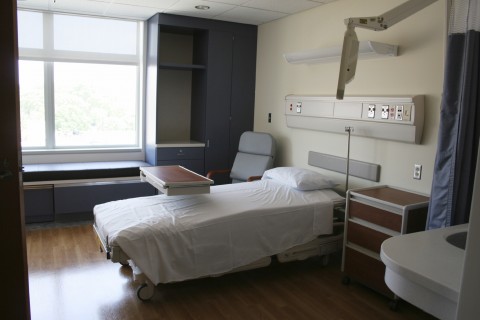
Healthcare vocabulary is particularly useful because you may need it when you’re tired, sick, or stressed.
Foreign residents’ healthcare and social-security arrangements differ according to employment and individual circumstances. For example, IMSS currently provides options for foreign nationals in Mexico to register voluntarily as independent workers if they meet the applicable requirements, as well as other voluntary health-insurance arrangements.
Essential Healthcare Phrases
| Spanish | English |
|---|---|
| Quisiera hacer una cita con un médico. | “I’d like to make a doctor’s appointment.” |
| Tengo una cita a las tres. | “I have an appointment at three.” |
| No me siento bien. | “I don’t feel well.” |
| Tengo fiebre. | “I have a fever.” |
| Tengo dolor de cabeza. | “I have a headache.” |
| Me duele la garganta. | “My throat hurts.” |
| Me duele el estómago. | “My stomach hurts.” |
| Me duele aquí. | “It hurts here.” |
| Tengo tos. | “I have a cough.” |
| Me cuesta trabajo respirar. | “I’m having trouble breathing.” |
| Tengo una alergia. | “I have an allergy.” |
| Soy alérgico/a a la penicilina. | “I’m allergic to penicillin.” |
| Estoy tomando este medicamento. | “I’m taking this medication.” |
| ¿Necesito receta? | “Do I need a prescription?” |
| ¿Me puede dar una receta? | “Can you give me a prescription?” |
| ¿Dónde está la farmacia más cercana? | “Where is the nearest pharmacy?” |
| ¿Tiene algo para el dolor? | “Do you have something for pain?” |
| ¿Tiene algo para la tos? | “Do you have something for a cough?” |
| ¿Cuántas veces al día debo tomarlo? | “How many times a day should I take it?” |
| ¿Debo tomarlo con alimentos? | “Should I take it with food?” |
| ¿Tiene efectos secundarios? | “Does it have side effects?” |
| ¿Cuándo tengo que regresar? | “When do I need to come back?” |
| ¿Dónde está urgencias? | “Where is the emergency department?” |
| Necesito atención médica. | “I need medical attention.” |
| ¿Este tratamiento está cubierto? | “Is this treatment covered?” |
IMSS and Insurance Phrases
| Spanish | English |
|---|---|
| Quisiera información sobre el IMSS. | “I’d like information about IMSS.” |
| Quiero saber si estoy dado/a de alta. | “I want to know if I’m registered.” |
| ¿Estoy asegurado/a? | “Am I insured?” |
| Necesito mi número de seguridad social. | “I need my social security number.” |
| ¿Dónde puedo consultar mi número de seguridad social? | “Where can I check my social security number?” |
| Quiero actualizar mis datos. | “I want to update my information.” |
| Necesito cambiar mi domicilio. | “I need to change my address.” |
| ¿A qué clínica me corresponde ir? | “Which clinic should I go to?” |
| Quiero hacer una cita en la clínica. | “I want to make an appointment at the clinic.” |
| ¿Qué documentos necesito? | “What documents do I need?” |
Example Conversation at a Doctor’s Office
Receptionist: Buenos días. ¿Tiene cita?
“Good morning. Do you have an appointment?”
You: Sí, tengo una cita a las tres.
“Yes, I have an appointment at three.”
Doctor: ¿Qué síntomas tiene?
“What symptoms do you have?”
You: Tengo fiebre y me duele la garganta.
“I have a fever and my throat hurts.”
Doctor: ¿Está tomando algún medicamento?
“Are you taking any medication?”
You: Sí, estoy tomando este medicamento.
“Yes, I’m taking this medication.”
Emergencies, Police & Customer Service
Mexico uses 911 as its unified emergency number for medical, security, fire, and civil-protection emergencies. The government describes it as a single national emergency number available around the clock.
In an emergency, simple Spanish is enough. Focus on saying what happened, where you are, and what help you need.
Emergency and Police Phrases
| Spanish | English |
|---|---|
| ¡Ayuda! | “Help!” |
| Llame al 911. | “Call 911.” |
| Necesito una ambulancia. | “I need an ambulance.” |
| Llame a la policía. | “Call the police.” |
| Hay un incendio. | “There’s a fire.” |
| Hay una persona herida. | “Someone is injured.” |
| No puedo respirar. | “I can’t breathe.” |
| Tengo mucho dolor. | “I’m in severe pain.” |
| Tuve un accidente. | “I was in an accident.” |
| Me lastimé. | “I was injured.” |
| Perdí mi cartera. | “I lost my wallet.” |
| Me robaron la cartera. | “My wallet was stolen.” |
| Perdí mi pasaporte. | “I lost my passport.” |
| Me robaron el pasaporte. | “My passport was stolen.” |
| Perdí mi teléfono. | “I lost my phone.” |
| Me robaron el teléfono. | “My phone was stolen.” |
| Me robaron la bolsa. | “My bag was stolen.” |
| Quiero hacer una denuncia. | “I want to file a police report.” |
| ¿Dónde está la estación de policía? | “Where is the police station?” |
| Necesito un intérprete. | “I need an interpreter.” |
| No sé dónde estoy. | “I don’t know where I am.” |
| ¿Puede decirme mi ubicación? | “Can you tell me my location?” |
| Necesito hablar con un oficial. | “I need to speak with an officer.” |
| Esto es una emergencia. | “This is an emergency.” |
| Necesito ayuda de inmediato. | “I need help immediately.” |
Customer Service Problems
| Spanish | English |
|---|---|
| Mi pedido no ha llegado. | “My order hasn’t arrived.” |
| El producto está roto. | “The product is broken.” |
| El producto no funciona. | “The product doesn’t work.” |
| Me llegó el producto equivocado. | “I received the wrong product.” |
| Quiero devolverlo. | “I want to return it.” |
| Quiero cambiarlo. | “I want to exchange it.” |
| Quiero un reembolso. | “I want a refund.” |
| Tengo el recibo. | “I have the receipt.” |
| Perdí el recibo. | “I lost the receipt.” |
| Me cobraron de más. | “I was overcharged.” |
| Me cobraron dos veces. | “I was charged twice.” |
| Quiero hablar con un encargado. | “I want to speak with a manager.” |
Housing, Repairs & Neighbors
Finding an apartment is only the beginning. Once you’ve moved in, you’ll need Spanish for rent, deposits, maintenance, repairs, utilities, landlords, and neighbors.
In Mexican Spanish, renta is extremely common for “rent,” while contrato de arrendamiento is the more formal term for a rental agreement.

Essential Housing Vocabulary
| Spanish | English |
|---|---|
| departamento | “apartment” |
| casa | “house” |
| renta | “rent” |
| depósito | “deposit” |
| contrato de arrendamiento | “rental agreement” |
| propietario / propietaria | “property owner / landlord” |
| casero / casera | “landlord” |
| mantenimiento | “maintenance” |
| reparación | “repair” |
| fuga de agua | “water leak” |
Essential Housing and Repair Phrases
| Spanish | English |
|---|---|
| Estoy buscando un departamento. | “I’m looking for an apartment.” |
| ¿Cuánto cuesta la renta? | “How much is the rent?” |
| ¿De cuánto es el depósito? | “How much is the deposit?” |
| ¿Los servicios están incluidos? | “Are utilities included?” |
| ¿El mantenimiento está incluido? | “Is maintenance included?” |
| ¿Cuánto cuesta el mantenimiento? | “How much is the maintenance fee?” |
| ¿Cuándo está disponible? | “When is it available?” |
| ¿Puedo ver el departamento? | “Can I see the apartment?” |
| ¿Está amueblado? | “Is it furnished?” |
| ¿Se permiten mascotas? | “Are pets allowed?” |
| ¿Cuánto dura el contrato? | “How long is the contract?” |
| ¿Cuándo tengo que pagar la renta? | “When do I need to pay the rent?” |
| ¿Cómo debo pagar la renta? | “How should I pay the rent?” |
| Necesito una copia del contrato. | “I need a copy of the contract.” |
| Quiero hablar con el propietario. | “I want to speak with the landlord.” |
| Hay un problema en el departamento. | “There’s a problem in the apartment.” |
| No hay agua caliente. | “There’s no hot water.” |
| No hay electricidad. | “There’s no electricity.” |
| El aire acondicionado no funciona. | “The air conditioner isn’t working.” |
| Hay una fuga de agua. | “There’s a water leak.” |
| El baño está tapado. | “The toilet is clogged.” |
| Necesita una reparación. | “It needs to be repaired.” |
| ¿Puede mandar a un técnico? | “Can you send a technician?” |
| ¿Cuándo puede venir el técnico? | “When can the technician come?” |
| Perdí las llaves. | “I lost my keys.” |
| ¿Dónde se tira la basura? | “Where do we throw away the garbage?” |
| ¿Qué día pasa la basura? | “What day is the garbage collected?” |
| ¿Dónde se deja el reciclaje? | “Where do we leave the recycling?” |
| Disculpe por el ruido. | “Sorry about the noise.” |
Example Conversation with a Landlord
You: Buenos días. Hay un problema en el departamento.
“Good morning. There’s a problem in the apartment.”
Landlord: ¿Qué problema hay?
“What’s the problem?”
You: No hay agua caliente. Creo que necesita una reparación.
“There’s no hot water. I think it needs to be repaired.”
Landlord: Voy a mandar a un técnico.
“I’m going to send a technician.”
You: Gracias. ¿Cuándo puede venir?
“Thank you. When can they come?”
Short, clear sentences are usually more effective than trying to explain every detail at once.
Post Office, Deliveries & Everyday Services
Packages, mail, returns, and deliveries are ordinary parts of daily life, but these are exactly the situations where practical Spanish starts saving you time.

Postal and Delivery Phrases
| Spanish | English |
|---|---|
| ¿Dónde está la oficina de correos? | “Where is the post office?” |
| Quiero enviar este paquete. | “I want to send this package.” |
| Quiero enviar esta carta. | “I want to send this letter.” |
| ¿Cuánto cuesta el envío? | “How much does shipping cost?” |
| ¿Cuánto tarda en llegar? | “How long does it take to arrive?” |
| Quiero enviarlo con número de rastreo. | “I want to send it with tracking.” |
| ¿Cuál es el número de rastreo? | “What is the tracking number?” |
| Necesito un sobre. | “I need an envelope.” |
| Necesito una estampilla. | “I need a stamp.” |
| Estoy esperando un paquete. | “I’m waiting for a package.” |
| Mi paquete todavía no ha llegado. | “My package hasn’t arrived yet.” |
| Recibí un aviso de entrega. | “I received a delivery notice.” |
| ¿Dónde puedo recoger mi paquete? | “Where can I pick up my package?” |
| ¿Necesito una identificación para recogerlo? | “Do I need ID to pick it up?” |
| ¿Puedo cambiar la fecha de entrega? | “Can I change the delivery date?” |
| ¿Puede llamarme antes de llegar? | “Can you call me before arriving?” |
| Puede dejarlo en la entrada. | “You can leave it at the entrance.” |
| Puede dejarlo con el guardia. | “You can leave it with the security guard.” |
| Quiero devolver este paquete. | “I want to return this package.” |
| ¿Dónde tengo que firmar? | “Where do I need to sign?” |
Polite Spanish for Everyday Life in Mexico
In official and professional interactions, usted is generally a safe choice when speaking with someone you don’t know.
Compare:
¿Me puedes explicar esto?
“Can you explain this to me?” – informal
¿Me puede explicar esto?
“Can you explain this to me?” – polite/formal
Useful polite patterns include:
Quisiera…
“I would like…”
¿Me puede decir…?
“Can you tell me…?”
¿Me puede explicar…?
“Can you explain…?”
Disculpe, tengo una pregunta.
“Excuse me, I have a question.”
¿Podría ayudarme, por favor?
“Could you help me, please?”
Muchas gracias por su ayuda.
“Thank you very much for your help.”
You don’t need extremely formal Spanish. Clear, polite language is usually enough.
How to Learn Practical Spanish Faster
Knowing 160+ phrases is useful, but memorizing a giant list from beginning to end isn’t the best way to learn them.
Study by Situation
Choose the conversations you’re actually likely to have.
| Situation | Focus On |
|---|---|
| Immigration | Resident cards, documents, INM |
| Government services | CURP, address changes, certificates |
| Taxes | RFC, SAT, tax documents |
| Banking | Accounts, cards, payments |
| Healthcare | Symptoms, appointments, insurance |
| Housing | Rent, contracts, repairs |
| Emergencies | Short requests for immediate help |
If you have an immigration appointment tomorrow, study that section tonight. If you’re opening a bank account next week, focus on banking phrases.
Learn Reusable Sentence Patterns
Several structures appear again and again throughout this guide.
Quisiera…
“I would like…”
Necesito…
“I need…”
¿Dónde puedo…?
“Where can I…?”
¿Tengo que…?
“Do I have to…?”
¿Necesito…?
“Do I need…?”
¿Me puede…?
“Can you…?”
¿Cuánto cuesta…?
“How much does … cost?”
¿Cuánto tarda…?
“How long does … take?”
Once these patterns become automatic, you can replace one or two words and create dozens of useful sentences.
Learn the Spanish People Actually Use in Mexico
The Spanish you hear in Mexico also includes local vocabulary, expressions, and idioms that may not appear in a general Spanish course.
Once you’re comfortable with basic survival phrases, learning common Mexican expressions can make everyday conversations easier to follow and help you better understand coworkers, neighbors, friends, and service staff.
For extra practice, SpanishPod101’s Essential Spanish Idioms You’ll Need in Mexico is a useful next step for becoming more familiar with expressions used in Mexican Spanish.
Practice Complete Dialogues
Vocabulary becomes much easier to remember when you connect it to an actual conversation.
Instead of memorizing:
tarjeta de residente – “resident card”
documentos – “documents”
trámite – “procedure”
practice:
Quisiera renovar mi documento migratorio. ¿Qué documentos necesito?
“I’d like to renew my immigration document. What documents do I need?”
Now the vocabulary has a purpose.
Prepare Before Important Appointments
Before an appointment, choose five to ten phrases you’re likely to need.
For example:
Quisiera información sobre…
“I’d like information about…”
¿Qué documentos necesito?
“What documents do I need?”
¿Falta algún documento?
“Is any document missing?”
¿Tengo que firmar aquí?
“Do I need to sign here?”
¿Cuál es el siguiente paso?
“What is the next step?”
¿Me lo puede escribir, por favor?
“Could you write it down for me, please?”
You don’t need to prepare for every possible sentence. Prepare enough Spanish to explain your goal and ask for clarification.
Learn Real-Life Spanish with SpanishPod101
Knowing individual phrases is helpful. Knowing when and how to use them is what builds real confidence.
SpanishPod101 can help you move from isolated vocabulary to complete conversations through Spanish dialogues, listening practice, vocabulary lessons, and structured learning materials.
With SpanishPod101, you can:
- Build vocabulary for everyday situations
- Hear Spanish used in complete conversations
- Improve your listening comprehension
- Practice pronunciation with native-speaker audio
- Review useful vocabulary and grammar in context
- Study at your own pace
- Prepare for real conversations before you need them
The more often you encounter useful patterns in context, the easier they’ll be to recognize and use in real life.
Frequently Asked Questions
Can I live in Mexico without speaking Spanish?
It is possible to handle some situations with limited Spanish, particularly when English-speaking assistance is available. However, practical Spanish becomes much more useful when dealing with immigration, government offices, healthcare, housing, repairs, banking, and local services.
You don’t need to become fluent first. Even a relatively small set of well-chosen phrases can make everyday interactions much easier.
What Spanish should I learn first after moving to Mexico?
Start with the language connected to your immediate needs:
- Greetings and clarification phrases
- Immigration and residency
- CURP and government paperwork
- Banking
- RFC and SAT vocabulary if relevant
- Healthcare
- Housing and repairs
- Emergencies
- Deliveries and customer service
Learning by situation is usually more useful than memorizing unrelated vocabulary.
What is CURP?
CURP stands for Clave Única de Registro de Población. It is an individual population-registration identifier used in Mexico. Official government information states that foreign residents are included in the system, and temporary or permanent foreign residents may receive a CURP as part of the immigration-registration process.
A useful phrase is:
Necesito obtener mi CURP.
“I need to get my CURP.”
What is RFC?
RFC stands for Registro Federal de Contribuyentes. It is the identification code used by Mexico’s tax authority, SAT, for taxpayers.
SAT currently provides registration procedures for foreign individuals who need an RFC. The appropriate process and requirements depend on the person’s circumstances.
A useful phrase is:
Quiero inscribirme en el RFC.
“I want to register for an RFC.”
Do foreign residents need to report a change of address?
Mexico’s INM currently states that temporary and permanent foreign residents must notify it of certain changes, including changes of address, within the applicable deadline.
Useful phrases include:
Necesito notificar un cambio de domicilio.
“I need to report a change of address.”
¿Qué documentos necesito?
“What documents do I need?”
What is IMSS?
IMSS stands for Instituto Mexicano del Seguro Social, the Mexican Social Security Institute.
How a foreign resident interacts with IMSS depends on employment and personal circumstances. IMSS currently also provides voluntary enrollment options for qualifying foreign independent workers in Mexico.
What number should I call in an emergency in Mexico?
Call 911 for an emergency in Mexico. It is the unified national number for medical emergencies, security, fire, and civil-protection assistance.
A useful phrase to remember is:
Llame al 911.
“Call 911.”
Should I use tú or usted with officials and service staff?
With officials and unfamiliar service staff, usted is generally a safe, polite choice.
For example:
¿Me puede ayudar? – polite
¿Me puedes ayudar? – informal
As you spend more time in Mexico, you’ll naturally get a better sense of when people use tú and when they prefer usted.
What’s the fastest way to learn survival Spanish?
Prioritize phrases that solve actual problems.
Start with a situation you expect to face, learn the key vocabulary, memorize a few reusable sentence patterns, and practice them in complete conversations. Listening to those patterns in natural Mexican Spanish will also make them easier to recognize when someone answers you.
From Confusion to Confidence
Living in another country involves dozens of conversations you may never have practiced in a language course. You might need to ask about an immigration document in the morning, explain a banking problem in the afternoon, and call your landlord about a repair that evening.
You don’t need perfect Spanish for any of those situations.
Start with the phrases that solve the problems in front of you. Learn how to ask for help, explain what you need, understand the most important vocabulary, and request clarification when something is unclear.
Every successful interaction gives you another pattern you can reuse the next time.
When you’re ready to keep building your practical Spanish through vocabulary, dialogues, and listening practice, start learning real-life Spanish with SpanishPod101.