Are you tired of staring at endless vocabulary lists and dry grammar charts? If you thrive on immersion and want to connect with the culture, it’s time to shake up your routine. One of the most entertaining ways to naturally absorb the language is by singing along to classic Spanish nursery rhymes.
Music and rhythm are powerful memory aids. When you listen to a nursery rhyme in Spanish, you aren’t just memorizing isolated words; you are internalizing native pronunciation, natural sentence structures, and everyday vocabulary without even feeling like you are studying. It makes active learning feel completely effortless!
Why Immersion Through Songs Works
Learning through songs taps into the way we naturally acquire language as children. You don’t need a textbook to tell you how to feel the beat! Here is why adding these simple tunes to your daily playlist will fast-track your fluency:
- Effortless Repetition: Songs get stuck in your head, meaning you are constantly repeating Spanish vocabulary on autopilot.
- Perfect Pronunciation: Singing forces you to mimic native vowel sounds and word blending naturally.
- Contextual Vocabulary: You learn words in complete, meaningful chunks rather than isolated flashcards.
Ready to dive into the music? Here are three absolute classic rhymes that every Spanish speaker knows by heart.
3 Essential Nursery Rhymes for Language Learners
Que llueva, que llueva

This is a beloved, playful song sung by children hoping for the rain to fall. It is packed with excellent everyday vocabulary related to weather and nature.
Listen to the instrumental and try to sing along:
The Original:
Que llueva, que llueva,
la virgen de la cueva,
los pajarillos cantan,
las nubes se levantan.
¡Que sí, que no,
que caiga un chaparrón!
The English Translation:
Let it rain, let it rain,
The virgin of the cave,
The little birds sing,
The clouds rise up.
Oh yes, oh no,
Let a downpour fall!
Los pollitos dicen

Arguably the most famous children’s song in the Spanish-speaking world, this sweet tune is fantastic for learning basic verbs and feeling the natural cadence of the language.
Listen to the instrumental and try to sing along:
The Original:
Los pollitos dicen,
pío, pío, pío,
cuando tienen hambre,
cuando tienen frío.
La gallina busca
el maíz y el trigo,
les da la comida
y les presta abrigo.
The English Translation:
The little chicks say,
peep, peep, peep,
when they are hungry,
when they are cold.
The hen looks for
the corn and the wheat,
she gives them food
and gives them shelter.
Cucú cantaba la rana
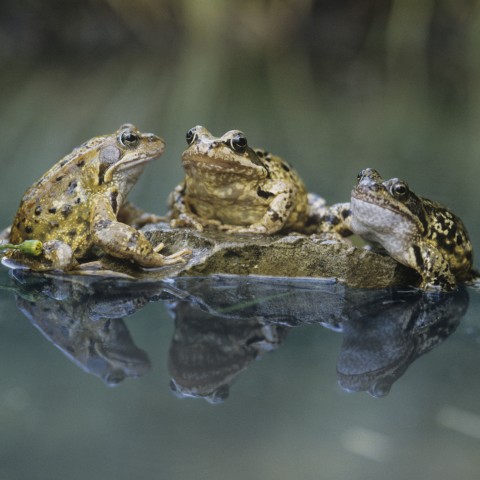
A quirky, rhythmic song about a singing frog watching people pass by. It is incredibly catchy and introduces some great descriptive vocabulary.
Listen to the instrumental and try to sing along:
The Original:
Cucú, cucú, cantaba la rana,
Cucú, cucú, debajo del agua.
Cucú, cucú, pasó un caballero,
Cucú, cucú, con capa y sombrero.
The English Translation:
Cuckoo, cuckoo, sang the frog,
Cuckoo, cuckoo, under the water.
Cuckoo, cuckoo, a gentleman passed by,
Cuckoo, cuckoo, with a cape and hat.
Keep the Music Going
Listening to a simple tune is just the beginning of your immersive language journey. The more authentic media you consume, the faster your brain will naturally decode the language. Surround yourself with the sounds, rhythms, and culture, and watch your fluency soar!
Ready to keep the momentum going? For engaging lessons and teacher-level audio, head over to SpanishPod101.com and start speaking from day one!