Learning Spanish should feel like progress, not like endlessly collecting vocabulary you forget two days later.
But for many beginners, that’s exactly what happens. You download apps. Start streaks. Watch random YouTube videos. Save grammar posts. Maybe even memorize hundreds of words. Yet when someone speaks real Spanish?
You freeze.
And if you’re preparing for the DELE A1/A2 or SIELE exam, the overwhelm gets even worse. Suddenly you’re juggling:
- Listening practice
- Speaking
- Vocabulary
- Grammar
- Mock exams
- Study schedules
- Exam strategies
.. all at once.
Many learners spend months “studying” Spanish before realizing they still panic during real conversations. The problem usually isn’t motivation. It’s structure
That’s exactly why SpanishPod101 created its new SpanishPod101’s A1 & A2 pathways.
Instead of random tips or disconnected resources, you get a complete beginner Spanish roadmap designed to help you move from A1 to A2 Spanish with:
- guided progression
- native audio
- listening practice
- grammar lessons
- speaking exercises
- vocabulary systems
- exam-focused preparation
Whether your goal is to pass DELE A2, prepare for SIELE, or finally hold real conversations confidently, this guide will help you build a study system that actually leads somewhere.
Not sure if you’re A1 or A2 yet? Take the free Spanish level assessment and receive your score in just 5 minutes.
Most learners need around 180–250 hours of guided study to comfortably move from beginner Spanish to A2 level. The good news? With the right structure, that goal becomes much more realistic, and much less stressful.
What Does A1 and A2 Spanish Actually Mean?
If you’re preparing for DELE or SIELE, understanding the CEFR Spanish levels is important because these exams test practical communication ability, not just memorized grammar rules. The CEFR (Common European Framework of Reference for Languages) measures real-world language skills across listening, speaking, reading, and writing.
A1 Spanish Skills
At the A1 level, you can:
- Introduce yourself
- Ask and answer simple questions
- Talk about daily routines
- Understand slow and clear Spanish
- Use basic survival phrases
- Read simple signs and messages
Typical A1 topics include:
- Greetings
- Numbers
- Food
- Directions
- Family
- Shopping
- Time and schedules
At this stage, learners are still heavily dependent on repetition and predictable conversations.
A2 Spanish Skills
At the A2 level, learners become much more functional in everyday situations.
You should be able to:
- Handle routine conversations
- Describe experiences and plans
- Understand common spoken Spanish
- Write simple paragraphs
- Navigate travel and daily interactions
- Speak in short connected sentences
The jump from A1 to A2 is significant because learners move from isolated phrases to real communication.
This is also where many app learners get stuck.
They may recognize vocabulary… but struggle to understand native speakers naturally.
DELE vs SIELE: Which Spanish Exam Should You Choose?
If your goal is certification, you’ll probably choose between DELE and SIELE. Let’s summarize the difference between the two exams. You can find more details about the official exam structure on the Istituto Cervantes page.
| Feature | DELE | SIELE |
| Format | Fixed-level exam | Adaptive exam |
| Levels | Separate A1, A2, B1 etc. | Mixed adaptive scoring |
| Validity | Permanent | Valid for 5 years |
| Test Type | Paper or digital | Fully digital |
| Best For | Structured certification goals | Flexible proficiency evaluation |
DELE Is Better If You:
- Want a permanent certificate
- Need official certification for visas or universities
- Prefer preparing for a specific level
SIELE Is Better If You:
- Prefer digital exams
- Want flexible scoring
- Need fast results
- Want to evaluate general proficiency
For most beginners preparing seriously from A1 to A2, DELE usually provides a clearer roadmap.
Is DELE or SIELE Harder?
Neither exam is necessarily “harder,” but they feel very different.
DELE rewards:
- structured preparation
- predictable formats
- targeted study strategies
SIELE rewards:
- adaptability
- fast comprehension
- confidence under pressure
If you prefer knowing exactly what to expect, DELE is usually easier psychologically for beginners.
Why Most Beginners Never Reach A2 Spanish

The biggest problem usually isn’t effort.It’s fragmentation.
The “Too Many Resources” Problem
Many learners use:
- Apps
- YouTube
- Flashcards
- TikTok creators
- Podcasts
- PDFs
- Grammar websites
Individually, these resources can help. But together? They often create chaos. You feel productive without building an actual progression system.
That’s why many learners spend months “studying” while still struggling with basic listening comprehension.
The Listening Gap Most Apps Ignore
One of the biggest beginner frustrations is this:
“I know these words… So why can’t I understand native speakers?”
Because recognizing isolated vocabulary is not the same as processing spoken Spanish in real time. Most apps train recognition. Very few train listening adaptations. That’s why structured audio exposure matters so much.
Daily listening practice with:
- slow audio
- repetition
- line-by-line breakdowns
- shadowing
- native pronunciation
is one of the fastest ways to bridge the gap between studying and understanding.
Inconsistency Kills Progress
Another common problem: Learners constantly restart.
Why?
Because they don’t know what to study next. Decision fatigue becomes exhausting. A guided study pathway removes that friction by giving you:
- daily structure
- progressive lessons
- milestone tracking
- listening progression
- speaking goals
That’s one reason many learners prefer structured systems like the SpanishPod101 pathways instead of trying to build their own curriculum from scratch.
The Complete 12-Week A1 to A2 Spanish Study Plan
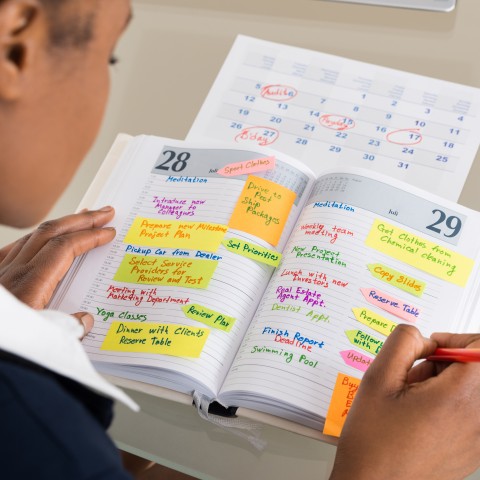
Below is a realistic 12-week roadmap for beginners preparing for DELE A1/A2 or SIELE.
Phase 1: Build Your A1 Foundation (Weeks 1–4)
Your first month should focus on creating a strong survival-level foundation.
Focus Areas
- Core grammar
- Beginner vocabulary
- Pronunciation basics
- Listening adaptation
- Simple speaking practice
Daily Study Structure
| Activity | Time |
| Listening practice | 15 min |
| Vocabulary review | 15 min |
| Grammar lesson | 15 min |
| Speaking/shadowing | 15 min |
Total: 60 minutes daily
Even 30 minutes consistently is better than occasional 3-hour cram sessions.
Best Beginner Resources for A1 Spanish
Helpful beginner resources include:
- Structured beginner pathways
- Audio dialogue lessons
- Vocabulary lists
- Beginner PDF cheat sheets
- Listening practice libraries
A structured platform like SpanishPod101 works especially well here because lessons combine:
- native audio
- vocabulary
- grammar
- transcripts
- speaking practice
- listening repetition
inside one system.
Phase 2: Move from A1 to Early A2 (Weeks 5–8)
This phase focuses on building flexibility.
You’ll start moving beyond memorized phrases into connected communication.
Focus Areas
- Past tense basics
- Natural conversations
- Sentence building
- Reading short texts
- Listening speed adaptation
Daily Tasks
| Task | Goal |
| Dialogue shadowing | Improve pronunciation |
| Reading practice | Improve comprehension |
| Listening repetition | Adapt to spoken Spanish |
| Mini journal writing | Build sentence formation |
| Speaking aloud | Increase fluency confidence |
Milestone Checkpoint: (End of week 8)
By the end of Week 8, you should ideally be able to:
- Understand beginner conversations without subtitles
- Hold a 2–3 minute self-introduction
- Describe your daily routine
- Complete beginner listening quizzes
- Write simple paragraphs
If these still feel impossible, don’t panic. Most learners simply need more listening repetition, not more grammar memorization.
Phase 3: Exam-Focused DELE & SIELE Preparation (Weeks 9–12)

Now it’s time to prepare specifically for DELE or SIELE.
Focus Areas
- Mock exams
- Timed listening practice
- Reading comprehension
- Writing tasks
- Speaking prompts
DELE-Specific Practice
For DELE:
- Learn the task formats
- Practice timing strategies
- Train predictable beginner topics
- Practice structured speaking answers
Common beginner mistake:
Studying Spanish generally without practicing actual exam tasks.
SIELE-Specific Study Tips
For SIELE:
- Practice digital test environments
- Improve listening under pressure
- Train quick reading comprehension
- Adapt to changing question difficulty
Because SIELE is adaptive, confidence under pressure matters a lot.
How Much Time Should You Study Spanish Per Day?
Most beginners preparing for DELE A2 should aim for 45–90 minutes daily.
Casual Pace
30 minutes/day
- Sustainable long-term
- Slower but consistent growth
Fast-Track Exam Prep
60–90 minutes/day
- Better for upcoming DELE/SIELE deadlines
- Faster listening adaptation
The key is consistency. Studying every day for 45 minutes usually beats studying once a week for 5 hours.
Best Study Methods for Passing DELE & SIELE
Shadowing for Speaking Confidence
Shadowing means repeating native audio out loud immediately after hearing it.
This helps improve:
- pronunciation
- rhythm
- listening
- speaking confidence
It’s one of the fastest ways to sound more natural.
Listening Every Single Day
Listening is the biggest beginner’s weakness. Many learners delay listening practice because it feels uncomfortable. That’s exactly why it should become a daily habit.
Even 10–15 minutes of beginner audio every day creates massive improvement over time. This is one reason comprehensible input and active listening matter so much in language acquisition.
Active Recall Instead of Passive Reviewing
Instead of rereading notes endlessly:
- test yourself
- answer questions aloud
- summarize lessons from memory
- create mini conversations
Active recall builds long-term retention much faster.
Why Structured Pathways Beat Random Apps
Many apps are excellent at making learners feel productive.
But:
- streaks are not fluency
- tapping vocabulary is not conversation
- recognition is not communication
To pass DELE or SIELE confidently, learners need:
- progression
- listening exposure
- speaking practice
- guided structure
- contextual grammar
That’s why structured pathways often outperform disconnected study methods.
Why SpanishPod101 Works Better Than Random Resources
| Problem | Typical Apps | SpanishPod101 |
| Listening practice | Limited | Native audio dialogues |
| Speaking practice | Weak | Shadowing & speaking tools |
| Structure | Fragmented | Guided pathways |
| Exam prep | Minimal | DELE/SIELE-focused |
| Lesson depth | Short drills | Full contextual lessons |
| Retention | Flashcard-heavy | Multi-skill reinforcement |
Recommended SpanishPod101 Resources for A1–A2 Spanish Learners
Beginner Spanish Pathways
SpanishPod101’s Structured pathways help reduce overwhelm by organizing:
- grammar
- vocabulary
- listening
- speaking
into progressive lessons.
Audio & Video Lessons
Short audio lessons work especially well for:
- busy learners
- commuters
- Consistency-strugglers
Browse our library of lessons and pick the course that fits your level.
PDF Cheat Sheets & Vocabulary Lists
Visual summaries help reinforce grammar patterns, beginner phrases, and survival vocabulary. Make sure to check out:
- SpanishPod101 Free Downloadable Cheat Sheets
- Free Vocabulary lists
- Survival Spanish Pathway (Free for 3 months)
Beginner Spanish Listening Practice
If you prefer to learn vocabulary while listening to native pronunciation check our our “Learn Basic Spanish Vocabulary” series on youtube:
Assessment Tests & Mock Quizzes
Each course at SpanishPod101 includes assessment tests. These are are useful because they:
- identify weak areas
- personalize study plans
- track progress
Speaking & Listening Practice Tools
Our beginner systems is the most effective because it combines the following inside one learning environment:
- native audio
- transcripts
- slow playback
- repetition
- speaking tools
That’s exactly what the SpanishPod101 teaching method is all about. All courses are structured so that you can practice these skills with one platform, during each lesson.
FAQ
How long does it take to go from A1 to A2 Spanish?
Most learners need around 180–250 hours of guided study.
With consistent daily practice, many learners reach A2 in approximately 3–6 months.
Can I pass DELE A2 in 3 months?
Yes, especially if you study consistently for 60–90 minutes daily using structured lessons, listening practice, and mock exams.
Is DELE harder than SIELE?
They test similar skills, but DELE is more structured while SIELE is adaptive and fully digital.
Can I pass DELE A2 using only apps?
Apps alone are usually not enough.
Most successful learners combine:
- structured lessons
- listening practice
- speaking practice
- mock exams
How many words do I need for A2 Spanish?
Roughly 1,500–2,000 words is a strong target for comfortable A2 communication.
Should I focus more on grammar or listening?
Both matter, but beginners often underestimate listening.
Daily listening practice is one of the highest ROI study habits.
What’s the best way to practice speaking alone?
- Shadowing
- Reading aloud
- Self-talk
- Recording yourself
- Repeating dialogue audio
all work extremely well.
Final Thoughts: From Overwhelmed Beginner to Confident A2 Speaker
Reaching A2 Spanish is absolutely possible.
The key isn’t studying harder.
It’s studying with structure.
When learners combine:
- consistent listening
- guided speaking practice
- progressive lessons
- realistic study schedules
- exam-focused preparation
they improve much faster, and with far less frustration.
The biggest transformation usually happens when learners stop jumping between random resources and finally follow one clear roadmap. Three months from now, you could be holding your first real conversation entirely in Spanish.
The hardest part isn’t learning Spanish. It’s finally following a system consistently.
If your goal is to prepare for DELE A1/A2 or SIELE while building real conversational confidence, structured pathways can dramatically simplify the process.
In 12 weeks you could move from absolute beginner Spanish to confident A2 conversations.
Ready to start?
- Learn about the new SpanishPod101 A1 & A2 courses
- Access the Spanish A1 Exam Prep (DELE & SIELE)
- Access the Spanish A2 Exam Prep (DELE & SIELE)
And start building a Spanish study system that actually leads somewhere.