In many countries, “Easter” is mainly a weekend anchored by Easter Sunday. In Mexico, the season is often experienced as a larger social and travel period built around Semana Santa (Holy Week) and the days immediately following it—especially because schools commonly pause classes and domestic travel spikes at the same time.
This guide explains what this holiday period is, why it matters in daily life, and how to experience Semana Santa Mexico respectfully as a visitor—whether you want solemn religious processions, community arts and crafts, or simply a better understanding of why roads, beaches, and city centers can feel unusually busy in late March or early April.
Table of Contents- What is Semana Santa, and what does it mean in English?
- When is Semana Santa? Key dates for 2026
- How holiday schedules actually work in Mexico: school breaks, work, and services
- Mexican Semana Santa traditions: processions, “Via Crucis,” and community identity
- Where to experience Semana Santa in Mexico as a visitor
- Food, crafts, and “Mexican Easter eggs”: what’s common (and what’s less so)
- Practical tips for visiting Mexico at Easter without cultural missteps
- Conclusion
1. What is Semana Santa, and what does it mean in English?
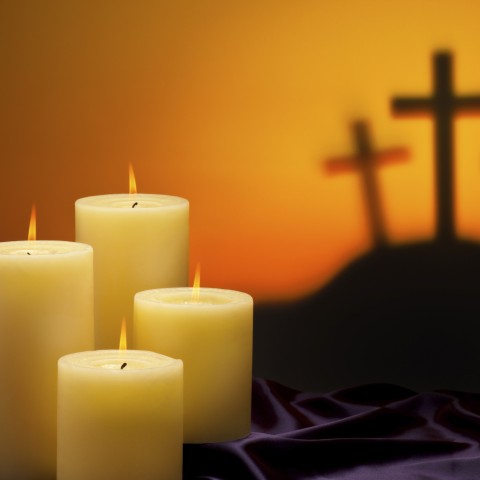
If you’re a beginner learner of Spanish, you may hear the question what is Semana Santa in travel conversations. Semana Santa in English is “Holy Week,” the week between Palm Sunday and Easter, observed by Christians as a time of special devotion focused on the Passion (the suffering and death) of Jesus, culminating in Easter.
In Mexico, you’ll also hear people say la semana santa when they mean not only the religious week, but the broader vacation mood around it. In everyday speech, you may see “Easter in Mexico” described through two ideas: the solemn days (Holy Week) and the more relaxed “Easter week” atmosphere that follows, when many families travel, gather, or spend time outdoors. While the religious calendar provides the structure, the public experience can be both devotional and festive depending on the location and the day.
A practical note for visitors: Mexico is religiously diverse, but the majority of residents still identify as Catholic in national statistics, which helps explain why Catholic Holy Week customs remain culturally influential even for people who participate more socially than religiously.
2. When is Semana Santa? Key dates for 2026

A very common planning question is cuando es semana santa (“when is Holy Week?”). Because Easter is a movable feast, the date changes each year, which affects school calendars, transport demand, and event scheduling.
For Semana Santa 2026, the most widely used Western Christian calendar places Easter Sunday on April 5, 2026. That means Holy Week runs from Palm Sunday, March 29, 2026, through Easter Sunday, April 5, 2026.
Here’s a quick reference for the most important days in 2026:
| Day | Date in 2026 | What it often means in Mexico |
| Palm Sunday | Mar 29, 2026 | Beginning of Holy Week; church processions and blessings in many places |
| Holy Thursday | Apr 2, 2026 | Church services; in some regions, “visiting churches” traditions (see below) |
| Good Friday | Apr 3, 2026 | Major public devotion; Via Crucis (Way of the Cross) events and processions |
| Holy Saturday | Apr 4, 2026 | Quiet or transitional day; in some places, local folk traditions may appear |
| Easter Sunday | Apr 5, 2026 | Celebration-focused church services; family meals and recreation |
3. How holiday schedules actually work in Mexico: school breaks, work, and services
A point that surprises many visitors is that, in Mexico, Holy Week is not automatically a set of mandatory paid holidays for all workers nationwide. Official labor guidance emphasizes that these days are not classified as “obligatory rest days” under the cited labor provisions, meaning whether you have time off depends on your employer, your sector, and your agreement at work.
Schools are different. For public basic education, the national school calendar commonly includes a spring break around Holy Week. In the 2025–2026 basic education calendar, the vacation period is shown from Monday, March 30, through Friday, April 10, 2026—covering Holy Week and the following week.
Services also vary. For example, under the official banking-sector calendar published in the Diario Oficial, regulated financial entities close and suspend operations on April 2 and April 3, 2026 (Holy Thursday and Good Friday).
From a travel perspective, the big takeaway is that Mexico’s “Easter season” is often experienced as a vacation period larger than the liturgical week itself. Government tourism communications for 2026 describe a vacation window spanning March 29 through April 12, and they forecast high national travel volumes during that period.
4. Mexican Semana Santa traditions: processions, “Via Crucis,” and community identity
Mexican Semana Santa is best understood as a combination of faith practice, local identity, and community organization. Historically and socially, Holy Week processions have served not only as religious devotion but also as public expressions of neighborhood identity and community life—something historians note even when discussing earlier eras of Mexico’s urban and religious history.
What visitors most often notice are:
Processions and devotional walks. Many towns and city neighborhoods hold processions that move through streets, often with music, coordinated groups, and a respectful atmosphere.
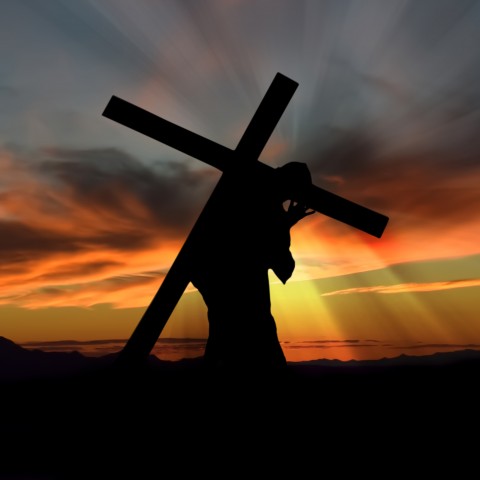
Via Crucis reenactments. On Good Friday, especially, some communities stage a Via Crucis (Way of the Cross) to dramatize key moments of the Passion story. These events range from small parish-level reenactments to massive public performances.
One internationally recognized example is in Iztapalapa (Mexico City). The “Representation of the Passion, Death and Resurrection of Christ in Iztapalapa” is listed by UNESCO as Intangible Cultural Heritage of Humanity (inscribed in 2025). UNESCO describes it as a community tradition with deep local participation, rooted in a vow made after a 19th-century cholera epidemic, and notes that it has grown into a major cultural event attracting very large crowds.
Another widely practiced custom is visiting multiple churches on Holy Thursday, often called the “visit to the Seven Churches.” An official cultural note from INAH highlights the “Visita a las Siete Casas” tradition in Guanajuato, describing it as a Holy Thursday ritual in which participants visit different temples in remembrance of the events before the crucifixion, blending religious practice with architectural and historical heritage.
5. Where to experience Semana Santa in Mexico as a visitor

Because Mexico is large and regionally diverse, Semana Santa in Mexico can feel dramatically different depending on where you go. If your goal is to experience the most distinctive public traditions (not just a long weekend), it helps to choose destinations known for organized Holy Week programming.
Iztapalapa, in Mexico City, is the best-known destination for a major Passion reenactment. If you go, expect crowds, long periods of standing, road closures, and a solemn tone during the most intense scenes. Arrive early, bring water, and treat the event as a religious and cultural gathering rather than a staged show for tourists.
San Luis Potosí is strongly associated with the Procesión del Silencio (Procession of Silence). A federal cultural communication explains that it was declared intangible cultural heritage at the state level in 2013. It characterizes it as a major civic-religious event and a key Holy Week attraction in the state capital, sustained over decades.
Taxco, in Guerrero, is often discussed for its intense Holy Week atmosphere and processions. Major Mexican outlets routinely publish detailed schedules and describe the city’s Holy Week as a procession-centered, highly devotional celebration. If you’re considering Taxco for Semana Santa, plan lodging early and expect limited vehicle access in the center during key nights.
6. Food, crafts, and “Mexican Easter eggs”: what’s common (and what’s less so)

For many visitors, the most approachable “Easter” experiences are not the major processions but the everyday cultural signals: seasonal crafts, family meals, and springtime recreation.
Food traditions often reflect the broader Lenten practices leading into Easter, when some Catholics abstain from meat on certain days. In tourist areas, this can mean more seafood specials around Good Friday and a generally quieter nightlife tone in strongly observant towns. (Local reality varies widely.)
Craft traditions can be striking. One well-known example is the paper-mâché (cartonería) tradition connected to Judas figures (“Judas” effigies). A government cultural release discussing workshops around this craft links it to religious traditions brought from Spain. Specifically, it references its association with the “Quema de Judas” (Burning of Judas) context during Semana Santa.
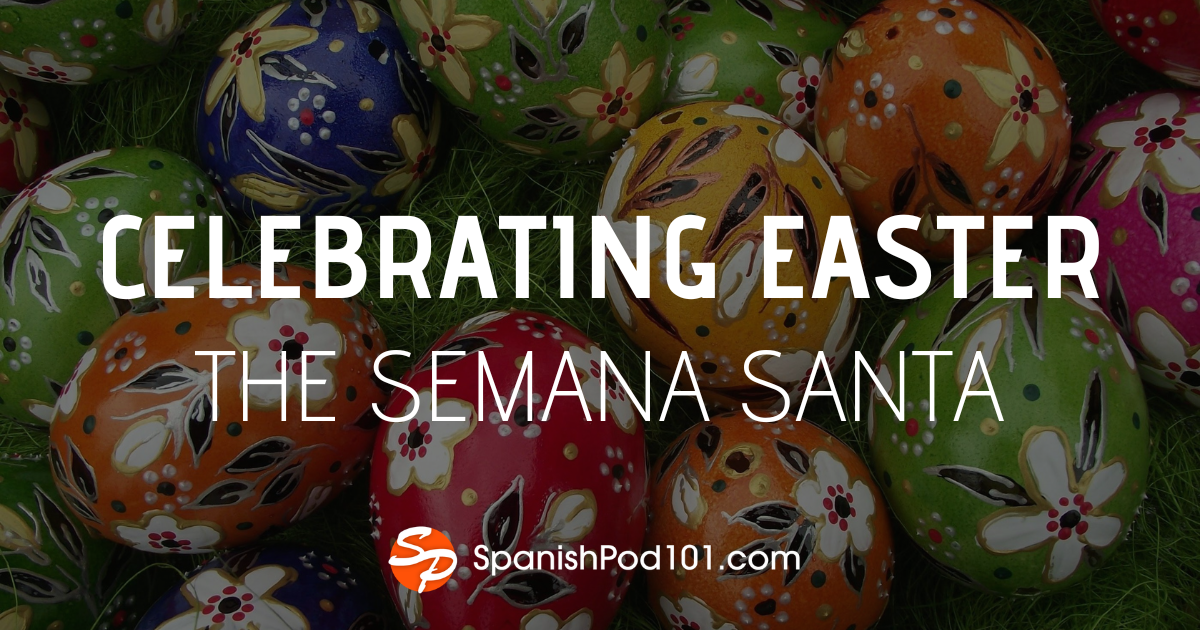
If you’re interested in Mexican Easter eggs, it’s helpful to know that Mexico doesn’t have a single nationwide egg custom, unlike some countries. Still, there is a playful spring tradition in parts of northern Mexico and the Mexico–U.S. borderlands: cascarones, hollowed eggshells filled with confetti.
A Smithsonian Folklife Magazine piece describes cascarones as a tradition linked to Easter gatherings in this border-region cultural world and notes the historical connection to Spanish settler culture in northern Mexico and South Texas. For travelers, that means you may see confetti eggs at family gatherings or seasonal markets in some regions, but they’re not the universal symbol of Easter everywhere in Mexico.
Taken together, these elements—processions, crafts, and regional spring customs—form what people often mean by Mexican Easter traditions, even though each community emphasizes different aspects.
7. Practical tips for visiting Mexico at Easter without cultural missteps

Mexico at Easter can be one of the most rewarding times to visit, but it’s also one of the easiest times to encounter inconveniences if you plan as if it were an ordinary week.
Expect peak travel pressure. Official tourism messaging for 2026 frames the period as a high-mobility vacation window, and many destinations (beaches, colonial cities, and major urban centers) can book up or slow down under demand. If you’re traveling in Mexico during the Easter season, reserve intercity transport and accommodation earlier than you normally would for spring.
Plan for altered schedules. Even when attractions remain open, banks and some in-person services can close on Holy Thursday and Good Friday under official calendars. Carry a backup payment method, download tickets in advance, and avoid leaving urgent errands for those days.
Dress and behave according to the setting. In solemn processions, modest clothing and quiet observation are appreciated. Photography is often allowed in public spaces, but it’s respectful to avoid intrusive close-ups of people praying or crying, and to follow any local guidance about restricted areas.
Be mindful of local rules around water and public behavior. Some “Holy Saturday” practices in parts of Mexico have included playful water-throwing, but in places facing water stress, local rules and fines may apply for wasting water. If you see water play, don’t assume it’s permitted—check local guidance.
8. Conclusion
Easter in Mexico is best approached as a season with layers: a solemn religious week, a broader vacation rhythm, and a set of local traditions that vary by region. If you plan around changing dates, expect crowds and altered hours, and engage respectfully with ceremonies and public space, you can experience one of the country’s most meaningful cultural periods—whether your focus is heritage, community life, or simply traveling well during a peak season.