Understanding reflexive verbs in Spanish is important for beginners. This is especially true when discussing daily routines, personal actions, and emotions. Spanish uses reflexive constructions more often than English. Learning how Spanish speakers use them will help you sound more natural and accurate.
Table of Contents- What Are Reflexive Verbs in Spanish?
- Reflexive Pronouns in Spanish
- How Reflexive Verbs Are Conjugated
- Common Reflexive Verbs in Spanish
- Reflexive vs Non-Reflexive Verbs
- Reciprocal Reflexives in Spanish
- Quedar vs Quedarse and Verbs Like Gustar
- Final Thoughts
1. What Are Reflexive Verbs in Spanish?
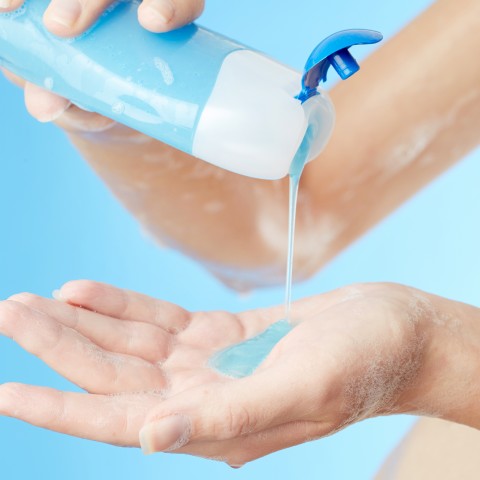
A reflexive verb is a verb where the subject acts on itself. In other words, the same person acts and receives the same action, and the reflexive verb shows this.
For example:
- Lavar means “to wash (something).”
- Lavarse means “to wash oneself.”
In “In Me lavo las manos” (“I wash my hands”), the subject is washing part of their own body. The reflexive pronoun me indicates that the action returns to the subject.
Reflexive verbs in Spanish often translate to English with words like “myself,” “yourself,” or “himself.” Even though English often leaves these words out, Spanish cannot.
In dictionaries, Spanish reflexive verbs end with -se in the infinitive form. Examples include bañarse, levantarse, and llamarse. Removing -se gives you the infinitive, which will mean “to [verb]” without additional context.
2. Reflexive Pronouns in Spanish

To use reflexive verbs correctly, you must know the reflexive pronouns in Spanish. These pronouns agree with the subject of the sentence.
The reflexive pronouns are:
| Subject pronoun | Reflexive pronoun | English meaning |
| yo | me | myself |
| tú | te | yourself (informal) |
| él / ella / usted | se | himself / herself / yourself (formal) |
| nosotros / nosotras | nos | ourselves |
| vosotros / vosotras | os | yourselves (informal, Spain) |
| ellos / ellas / ustedes | se | themselves / yourselves |
For example:
- Yo me despierto temprano. – I wake up early.
- Ella se viste rápido. – She gets dressed quickly.
- Nosotros nos acostamos tarde. – We go to bed late.
These pronouns are what make a sentence reflexive.
3. How Reflexive Verbs Are Conjugated

The Spanish conjugation of reflexive verbs follows a simple pattern.
First, one needs to start with the infinitive form of the reflexive verb; for example, “lavarse.” If the “-se” suffix is omitted, the result is the infinitive form of the verb – “lavar.” Conjugate “lavar” normally, and then add the correct reflexive pronoun before the verb, with a space in-between the two.
Example with lavarse:
| Subject pronoun | Spanish | English |
| yo | Me lavo | I wash myself |
| tú | Te lavas | You wash yourself |
| él / ella / usted | Se lava | He/she/you (formal) washes himself/herself/yourself |
| nosotros / nosotras | Nos lavamos | We wash ourselves |
| vosotros / vosotras | Os laváis | You all wash yourselves |
| ellos / ellas / ustedes | Se lavan | They/you all wash themselves/yourselves |
The verb endings are the same as non-reflexive verbs. The only difference is the pronoun.
A. Placement of Reflexive Pronouns
In most sentences, the reflexive verb is placed with the pronoun directly before the conjugated verb:
- Me levanto a las siete.
With infinitives or gerunds, the pronoun can be attached to the end:
- Voy a lavarme las manos.
- Estoy vistiéndome.
With affirmative commands, the pronoun is attached:
- Levántate.
With negative commands, it goes before:
- No te levantes.
This flexibility is common in reflexive Spanish grammar and becomes easier with practice.
B. Example: Irse Conjugated
The verb ir, when conjugated as irse, shows how reflexives change meaning. While “ir” without a reflexive suffix means “to go,” adding the reflexive suffix changes “irse” to mean “to leave” or “to go away.”
| Subject pronoun | Spanish | English |
| yo | Me voy | I leave / I go away |
| tú | Te vas | You leave / You go away |
| él / ella / usted | Se va | He / she / you (formal) leaves / goes away |
| nosotros / nosotras | Nos vamos | We leave / We go away |
| ellos / ellas / ustedes | Se van | They/you all leave / go away |
4. Common Reflexive Verbs in Spanish

Many everyday actions use reflexive verbs. Below are examples of reflexive verbs that Spanish learners encounter early:
| Spanish reflexive verb | English |
| levantarse | to get up |
| despertarse | to wake up |
| bañarse | to bathe |
| ducharse | to shower |
| lavarse | to wash oneself |
| cepillarse | to brush |
| vestirse | to get dressed |
| ponerse | to put on / to become |
| llamarse | to be named |
| sentarse | to sit down |
| quedarse | to stay |
| dormirse | to fall asleep |
| preocuparse | to worry |
| alegrarse | to be happy |
This is not a complete list of reflexive verbs in Spanish, but it covers many of the most frequent ones used in daily conversation.
5. Reflexive vs Non-Reflexive Verbs

A key learning step is comparing reflexive and non-reflexive uses.
- Lavar vs lavarse
Lavo el coche. – I wash the car.
Me lavo las manos. – I wash my hands.
- Llamar vs llamarse
Llamo a mi madre. – I call my mother.
Me llamo Luis. – My name is Luis.
- Ir vs irse
Voy al trabajo. – I go to work.
Me voy del trabajo. – I leave work.
- Poner vs ponerse
Pongo el libro aquí. – I put the book here.
Me pongo nervioso. – I get nervous.
Sometimes the reflexive form adds emphasis or a slightly different meaning. For example, comer means “to eat,” while comerse can suggest eating something completely or with enjoyment.
6. Reciprocal Reflexives in Spanish
When the subject is plural, reflexive pronouns can express reciprocal reflexives that Spanish learners should recognize.
Examples:
- Nos vemos todos los días. – “We see each other every day.”
- Se ayudan mucho. – They help each other.
- ¿Se conocen? – “Do you know each other?”
Here, context makes clear that “se” does not mean “themselves” but “each other.”
7. Quedar vs Quedarse and Verbs Like Gustar
A common beginner question is “Does quedar function as a reflexive verb, or a verb like gustar?” The answer depends on how people use it.
Quedarse is reflexive and means “to stay”: “Me quedo en casa.” – “I’m staying home.”
However, Quedar without se can act like a verb similar to gustar, meaning “to fit” or “to suit.” For example, “Esa camisa te queda bien.” – “That shirt looks good on you.”
In the second sentence, te is an indirect object pronoun, not a reflexive one. This construction resembles gustar and you should not confuse it with reflexive verbs.
Tips for Learning Reflexive Verbs
- Learn verbs with -se as complete vocabulary items.
- Practice daily routines using reflexives.
- Do not translate word-for-word from English.
- Watch for meaning changes between reflexive and non-reflexive forms.
- Remember that verbs like gustar are not reflexive, even though they use pronouns.
8. Final Thoughts
Reflexive verbs are a core part of Spanish grammar. By learning about reflexive verbs in Spanish, students can improve their skills. They should understand how reflexive pronouns work.
Also, knowing how reflexive constructions differ from non-reflexive ones is important. This knowledge can help beginners become more accurate and fluent.
With practice, using reflexive verbs in Spanish will become automatic. Keep noticing them in reading and listening, and try forming your own sentences daily. Reflexives are everywhere in Spanish—and mastering them is a significant step toward confident communication.
At SpanishPod101.com, you can continue learning the Spanish language and exploring Spanish culture. There are plenty of free resources, such as vocabulary lists and our word of the day tool, as well as lessons tailored for every level of fluency.
Happy learning on SpanishPod101.com!