Spanish is a global language, with hundreds of millions of speakers spread across multiple continents. In fact, Spanish is an official or predominant language in over 20 countries, collectively known as the Spanish-speaking or Hispanic countries. These nations are found in Europe, Africa, and especially the Americas, reflecting the wide reach of the Spanish language. In total, there are around 600 million Spanish speakers worldwide, making Spanish one of the most widely spoken languages on the planet.
Table of Contents- A Brief History of the Spanish Language Spread
- Official Spanish-Speaking Countries by Region
- Understanding “Hispanic” vs. “Latino” Countries
- Other Countries with Spanish-Speaking Populations
- Conclusion
1. A Brief History of the Spanish Language Spread

Spanish originated on the Iberian Peninsula (in what is now Spain) and developed from Latin over centuries. The language began its global journey in the late 15th and early 16th centuries, during the Age of Exploration. After 1492, Spanish explorers and colonists carried the language to the Americas and other parts of the world. Spain’s colonial activities in the 1500s and onward established Spanish in vast territories of the New World. As the Spanish Empire expanded across the Americas, Spanish became the dominant tongue in those lands, often displacing indigenous languages. By the time the Spanish colonies gained independence in the 19th century, Spanish remained the primary language in most of them, a legacy that endures today.
This historical context explains why Spanish is the official language of 20 independent countries at present. Spain itself is the birthplace of the language, and Spanish was later adopted across much of Latin America, as well as in one African nation. Spain also once controlled territories in the Caribbean, North Africa, and the Asia-Pacific, spreading Spanish to those areas.
Throughout this spread, Spanish mixed with local cultures and evolved into distinct regional varieties. But despite differences in accent and vocabulary, a traveler who speaks Spanish can be understood in any Spanish-speaking country, from Europe to the Americas to Africa.
2. Official Spanish-Speaking Countries by Region
So what countries speak Spanish? Spanish is either the official language or the primary spoken language in a broad swath of countries. Below is a breakdown by region, which can serve as a helpful map of Spanish-speaking countries across the globe:
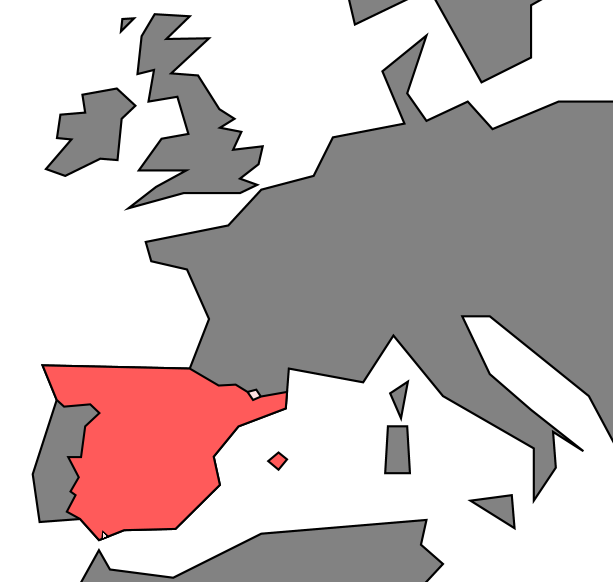
- Europe: Spain.
- Andorra and Gibraltar also have large Spanish-speaking populations, but it is not the official language.
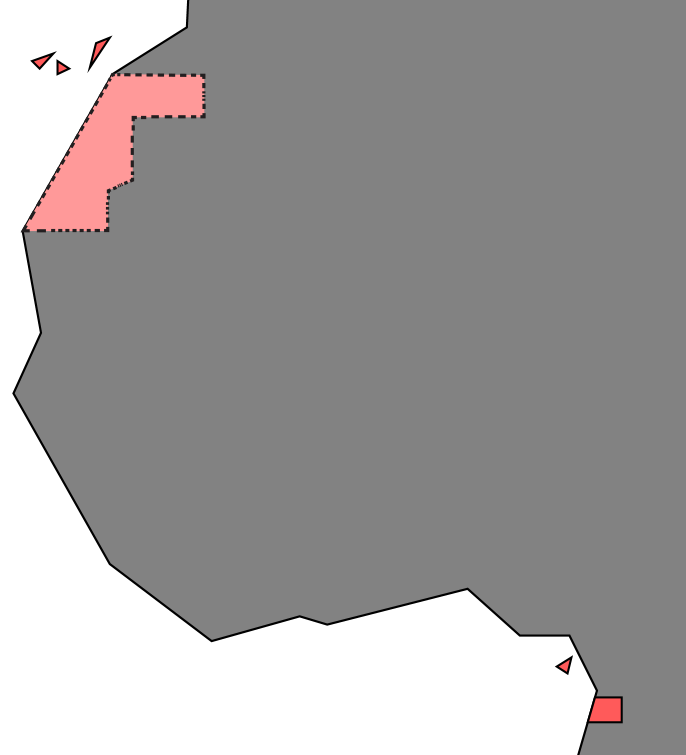
- Africa: Equatorial Guinea.
- Western Sahara is a non-self-governing territory which also has Spanish as a major language. The Canary Islands, a territory of Spain, are also off the coast of Africa.
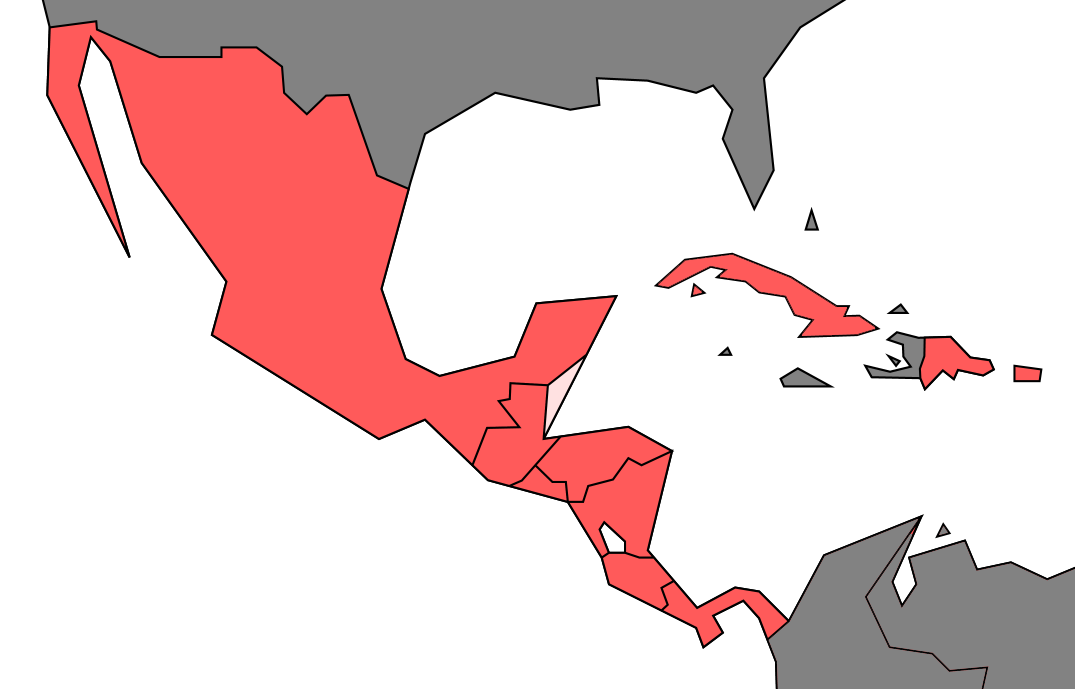
- North America:Mexico, Costa Rica, El Salvador, Guatemala, Honduras, Nicaragua, and Panama.
- All countries in Central America have Spanish as an official language except Belize, where English is the official language.
- Caribbean: Cuba and the Dominican Republic.
- Puerto Rico is a U.S. territory, but Spanish is an official language there and used in daily life.
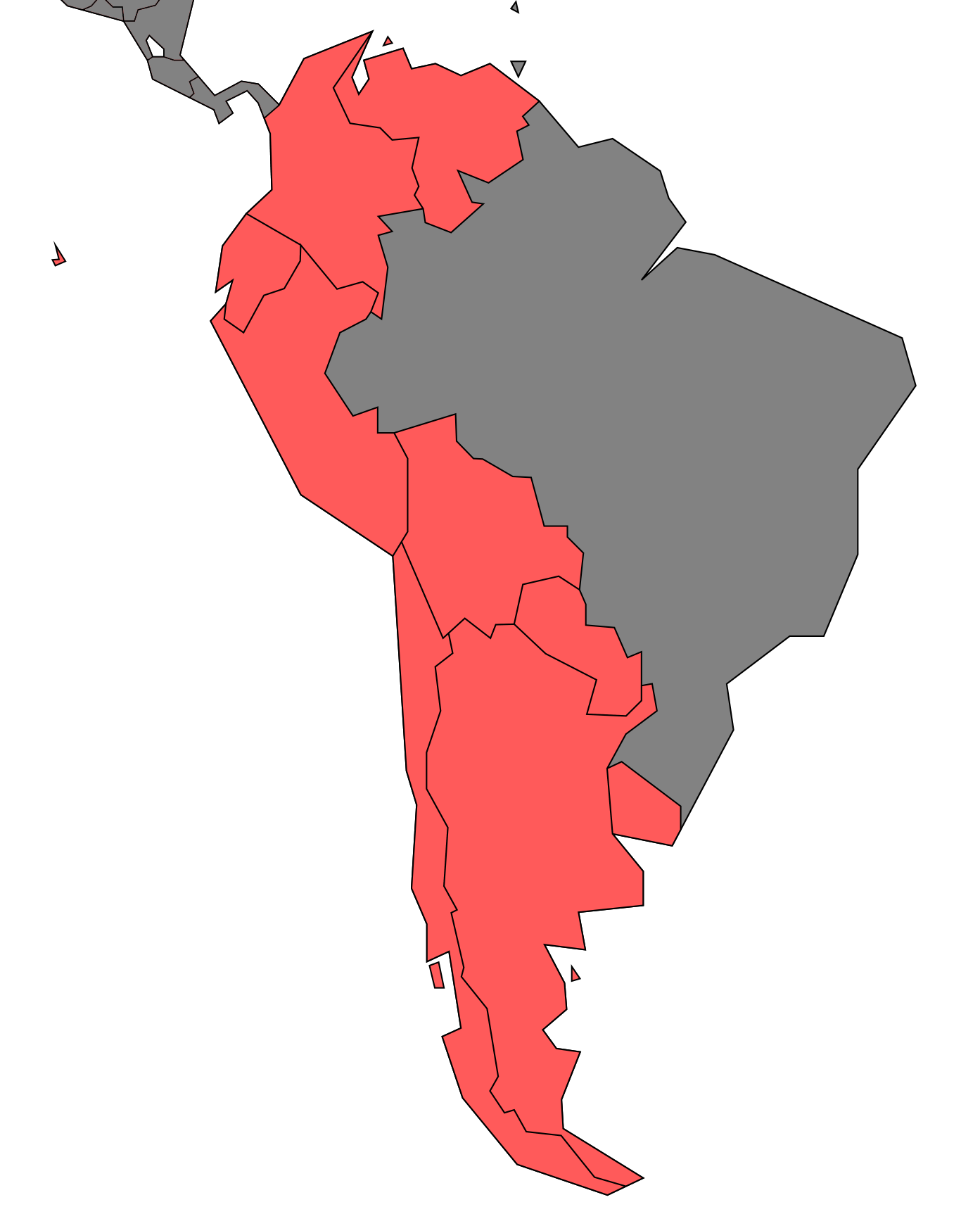
- South America: Argentina, Bolivia, Chile, Colombia, Ecuador, Paraguay, Peru, Uruguay, and Venezuela.
- Spanish is spoken in nearly all of South America, with the main exception being Brazil. Other non-Spanish-speaking areas of South America include countries like Suriname, Guyana, and French Guiana.
As we can see, Latin American countries form the largest group of Spanish-speaking nations. The 20 Spanish-speaking countries listed above are often referred to collectively as Hispanic countries, meaning countries with a cultural and linguistic heritage linked to Spain. If you look at a map of Spanish-speaking countries, nearly all of Central and South America would be highlighted, along with Spain in Europe and Equatorial Guinea in Africa.
Each of these Spanish-speaking countries has its own unique culture, history, and even its own regional flavor of Spanish. For example, the Spanish spoken in Mexico has some different slang and pronunciation from the Spanish in Argentina or Spain. But they are mutually intelligible forms of one language.
3. Understanding “Hispanic” vs. “Latino” Countries
It’s worth briefly clarifying the terms Hispanic and Latino, as they often come up when discussing Spanish-speaking populations. A Hispanic country is typically defined as one where Spanish is the primary official language, tying it linguistically to Spain’s heritage. This term emphasizes language and cultural connection to Spain.
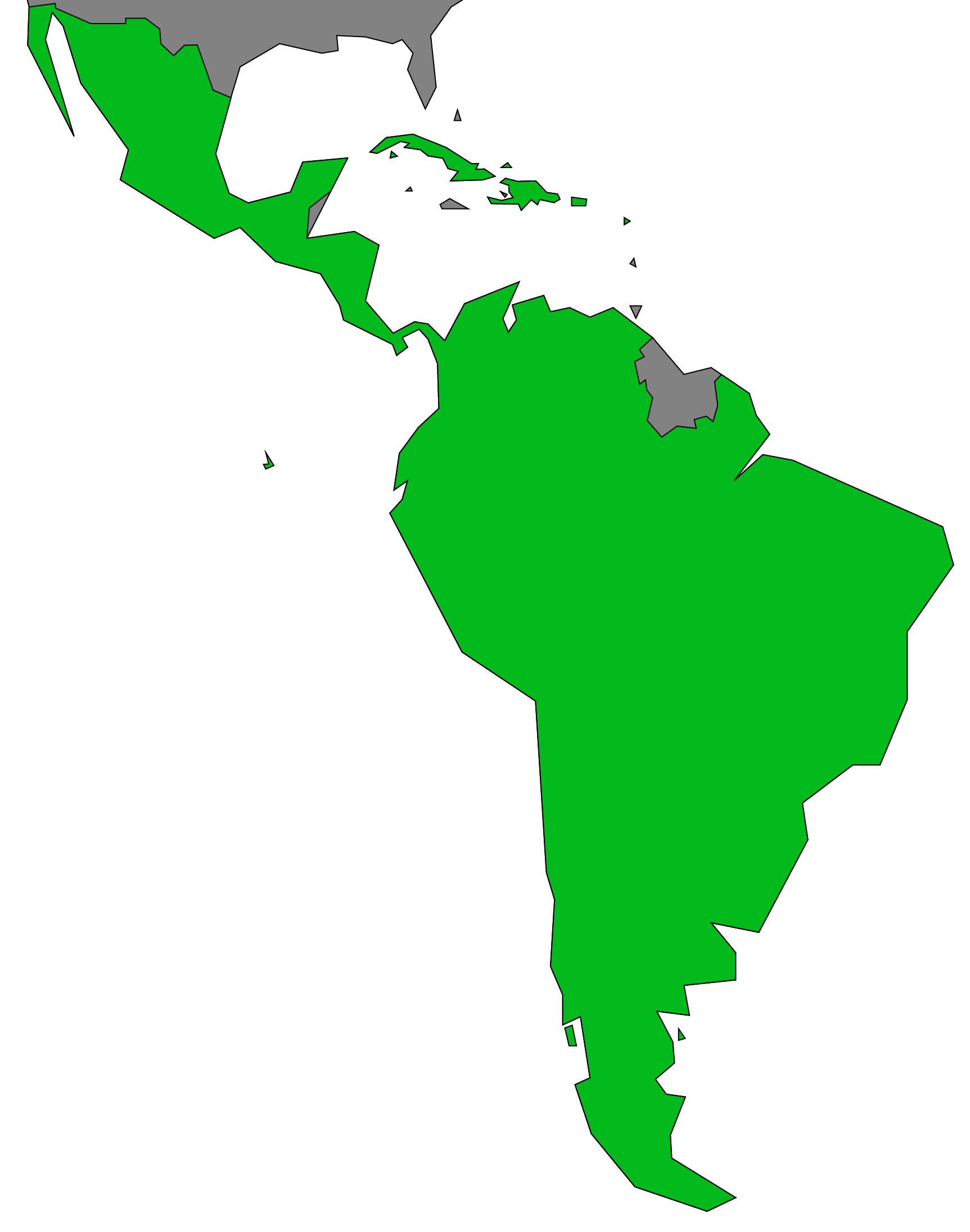
On the other hand, Latino refers to geography – specifically, to people or countries from Latin America. Latin America includes not only Spanish-speaking nations, but also countries like Brazil (where Portuguese is spoken) and Haiti (where French and Haitian Creole are spoken). So, a country can be Latino but not Hispanic (for example, Brazil is a Latin American country but not Spanish-speaking), and vice versa (Spain is Hispanic because of language, but it’s in Europe and thus not a Latin American country). Both Hispanic and Latin American populations share many cultural similarities, but the distinction is useful in discussing heritage and identity.
All the sovereign nations in Latin America that speak Spanish are both Hispanic and Latino. This includes Mexican, Central American, and South American countries of Spanish heritage. Understanding the overlap and difference between these terms helps in appreciating the diverse identities of Spanish-speaking populations.
4. Other Countries with Spanish-Speaking Populations
Aside from the official Spanish-speaking countries listed above, there are several other places where Spanish is spoken by significant portions of the population, even if it’s not an official language. Here are a few notable examples:
- United States:
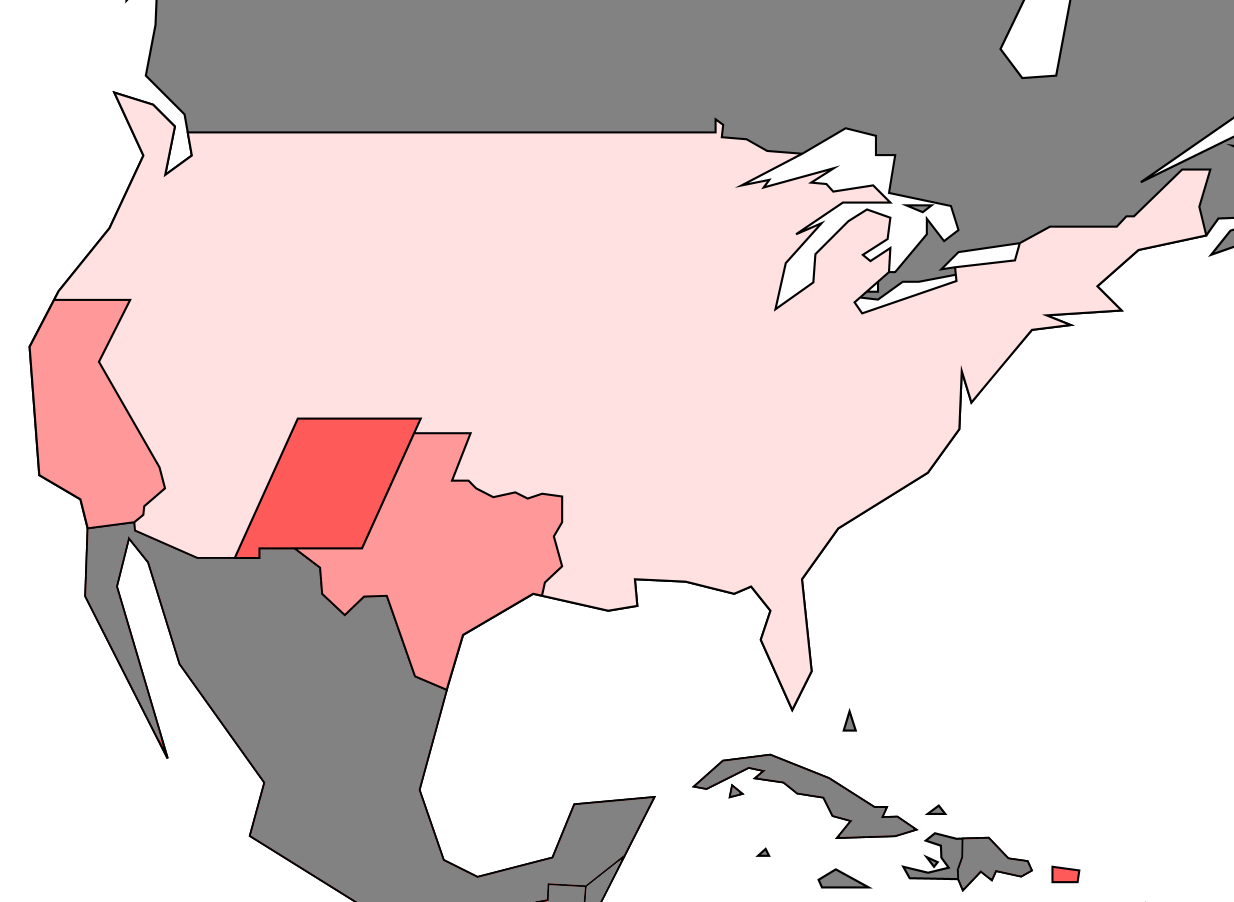
The U.S. has no official national language, but it is home to the second-largest number of Spanish speakers in the world (after Mexico), with roughly 60 million people (about 19% of the U.S. population) who speak Spanish. Spanish is commonly heard in many communities across the country, especially in states like California and Texas, where Spanish-speakers are over 20% of the population. New Mexico recognizes Spanish alongside English in certain capacities (New Mexico’s constitution does not declare an official language, but Spanish has a special status in practice).
- Puerto Rico:
A territory of the United States located near the Dominican Republic, Spanish is the main official language and commonly spoken across the island. Over 95% of the population speaks Spanish, and it serves as the primary way Puerto Ricans communicate on the island.
- Belize:
As mentioned, Belize is unique because it is the only country in Central America without Spanish as an official language – its official language is English, reflecting its British colonial history. However, a majority (over 50%) of Belizeans speak Spanish, typically as a second language, so many people in Belize are bilingual. So while Belize is not officially a Spanish-language country, Spanish is an important part of daily life for many Belizeans, and the country is often included in discussions of the broader Hispanic cultural sphere.
- Andorra:
Andorra is a small country in the Pyrenees mountain range, between Spain and France. Its official language is Catalan, but Spanish is also widely spoken by the majority of residents (as is French). In fact, nearly half of Andorra’s population speaks Spanish in everyday life, due to its close proximity to Spain and a large number of Spanish expatriates living and working there.
- Gibraltar:
Gibraltar, a British Overseas Territory at the southern tip of Spain, has English as its official language. However, most locals are bilingual in English and Spanish, and a Spanish-influenced creole called Llanito is commonly spoken. Around three-quarters of Gibraltar’s population speaks Spanish fluently.
- Western Sahara:
Western Sahara (a non-self-governing territory) was a former Spanish colony in Africa. Spanish is still used as a secondary language by the Sahrawi people, alongside Arabic. The older generations and local authorities often know Spanish due to historical influence.
- Spanish Diaspora and Other Regions:
Spanish is also spoken by immigrant communities around the world. For instance, there are Spanish speakers in Canada, in parts of Europe outside Spain, and in Australia, among other places, due to migration. Additionally, Spanish is one of the six official languages of the United Nations and is frequently learned as a second language worldwide. So even in countries that are not historically Spanish-speaking, you may encounter people who speak Spanish either natively or as a foreign language.
Finally, it’s worth noting that Spanish was historically important in some countries where it isn’t prevalent today. One example is in the Asia-Pacific, the Philippines. Once a Spanish colony, the Spanish language was official for centuries. While Spanish has greatly diminished there since the late 20th century when it was demoted from an official language, it left a lasting impact on Filipino culture, vocabulary, and place names. Similarly, in parts of Africa like northern Morocco, or Equatorial Guinea’s neighbors, Spanish has had regional influence.
5. Conclusion
In summary, Spanish is spoken in a wide array of countries across the globe. The core of the Spanish-speaking world includes Spain in Europe, Equatorial Guinea in Africa, and the many Latin American countries stretching from Mexico through Central America, the Caribbean, and down to the southern tip of South America. In total, there are 20 countries that have Spanish as an official language, and Spanish serves as the native tongue for hundreds of millions of people. This shared language connects diverse nations – the Hispanic countries – across cultures and continents.
Understanding where Spanish is spoken helps learners and travelers appreciate the global importance of the language. From the vibrant streets of Madrid to the highlands of Peru, and from the rainforests of Central America to communities in the Caribbean, Spanish is a language that bridges continents. If you’re learning Spanish, it can be fun to explore the geography of the Spanish-speaking world – for example, by studying a map of Latin countries or taking a quiz on Spanish-speaking countries & capitals to test your knowledge.
Spanish’s journey from a regional Iberian language to a global language is a fascinating story of history, culture, and people. Today, whether you say hola in a bustling Latin American market or a quiet Spanish village, you’re part of a conversation that spans continents.