Christmas across Spain, Mexico, and Latin America blends Catholic heritage, indigenous influences, and local culture. For visitors, the holiday season is an ideal time to experience food, music, and long-standing customs. This guide explores Christmas in Spain and Mexico, and general Latin American Christmas traditions, while weaving in essential cultural insights and fun facts.
Table of Contents- Christmas in Spain
- Christmas in Mexico
- Christmas in Latin America
- Holiday Greetings and Wishes for the Holiday Season
- Conclusion
1. Christmas in Spain
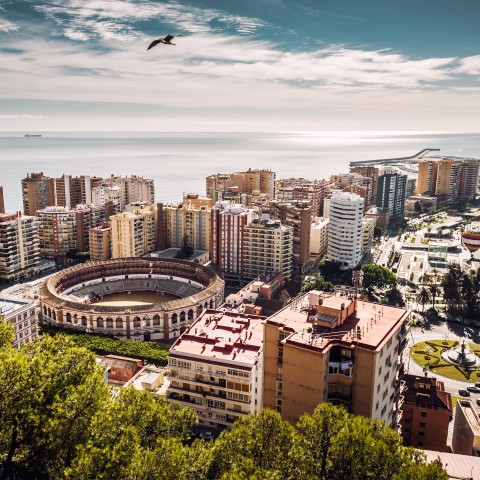
Christmas in Spain lasts from early December through January 6th, combining religious ceremonies, family gatherings, and public celebrations. December in Spain is filled with lights, markets, and music, offering travelers a festive glimpse into Spanish Christmas traditions.
A. Christmas Eve and Christmas Day
The most important event is Nochebuena, Christmas Eve. Families gather for a long dinner featuring seafood, roast lamb, or turkey, followed by sweets like turrón, polvorones, and mazapán. After dinner, many attend Midnight Mass, known as Misa del Gallo, before returning home for more celebration.
Navidad (December 25th) is peaceful and family-centered. Although Papá Noel (the Spanish Santa) now brings gifts to some children, the traditional gift-givers are still the Three Kings, whose big day comes later.
B. The Three Kings and El Gordo
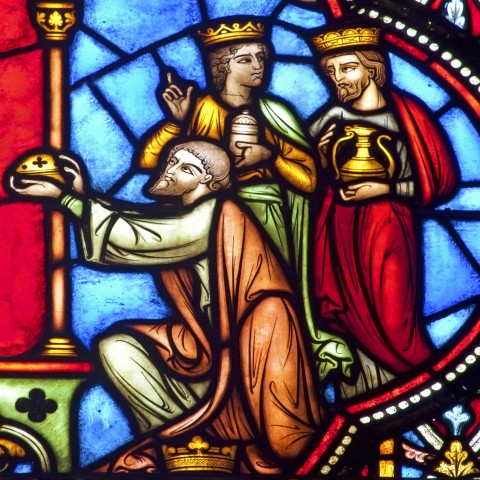
On January 5th, cities host Three Kings parades, or Cabalgatas, where Melchior, Gaspar, and Balthazar toss candy to crowds. On the morning of January 6th, children unwrap their presents and families eat Roscón de Reyes, a sweet ring bread with hidden surprises.
Another major tradition is El Gordo, the world-famous Spanish Christmas lottery on December 22nd. Families, coworkers, and entire towns buy shared tickets in hopes of winning. The televised drawing—sung aloud by schoolchildren—is considered the unofficial start to Christmas.
C. Spanish Holiday Customs
Spain features elaborate Nativity scenes (belenes), which often outshine Christmas trees. December 28th brings Día de los Santos Inocentes, Spain’s April Fools-type day of pranks. On New Year’s Eve, Spaniards try to eat 12 grapes at midnight for good luck—one grape for each clock chime.
D. Fun Facts About Christmas in Spain
Santa is not the main gift-giver—the Three Kings hold that role, though Santa is increasingly common. Spain’s El Gordo is the biggest Christmas lottery in the world. And families compete each year to decorate the most detailed belén, sometimes filling entire rooms with miniature villages.
2. Christmas in Mexico
Christmas in Mexico (or Navidad en México) is one of the most culturally rich holiday seasons in Latin America. Its mix of Spanish, Catholic, and indigenous traditions creates a vibrant experience from December 12th through January 6th.
A. Las Posadas (Dec 16–24)
A hallmark of Mexican Christmas traditions is Las Posadas. The word posada in English means “inn,” reflecting reenacting Mary and Joseph’s search for shelter in Bethlehem. For nine nights, families and neighbors participate in processions, stopping at homes to sing the traditional posada song. The final house welcomes everyone inside for a posada celebration with food, music, prayer, and a piñata.
The traditional seven-point posada piñata represents the seven deadly sins; breaking it symbolizes overcoming temptation. Children receive aguinaldos—bags of candies and fruits—and adults enjoy warm drinks. The final posada occurs on Christmas Eve, leading directly into Midnight Mass.
Las Posadas also appear beyond Mexico. Communities in the U.S. Southwest, such as Santa Fe and New Mexico, hold public processions influenced by Mexican tradition.
B. Nochebuena and Navidad
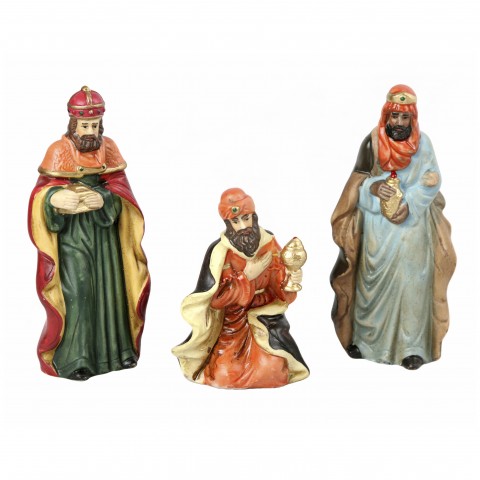
If you wonder why Mexicans celebrate Christmas on the 24th, it’s because Nochebuena is the main gathering. Families attend Mass and enjoy a late dinner of Mexican Christmas food such as tamales, bacalao, romeritos, roast turkey with Mexican spices, and Ensalada de Nochebuena. At midnight, families may rock a baby Jesus figurine (Arrullo del Niño) before placing it in the Nativity scene.
By contrast, Christmas Day (December 25th) is quieter, meant for rest and family time. Some children receive presents from Santa Claus, known in Mexico as Papá Noel or El Niño Dios, the traditional gift-bringer. Others receive gifts again on Three Kings Day (January 6th).
C. Mexican Christmas Food and Drinks
Food is central to Christmas traditions in Mexico. Along with tamales and bacalao, many families drink Ponche Navideño, a hot fruit punch with guava, tamarind, tejocote, and cinnamon. Adults may add rum for ponche con piquete. Champurrado, rompope, and rich Mexican hot chocolate are also seasonal favorites.
Sweets include buñuelos, polvorones, Mexican Christmas cookies, and tropical fruit salads. Regional dishes vary widely but maintain the same spirit: sharing food in the community.
D. Decorations and Music
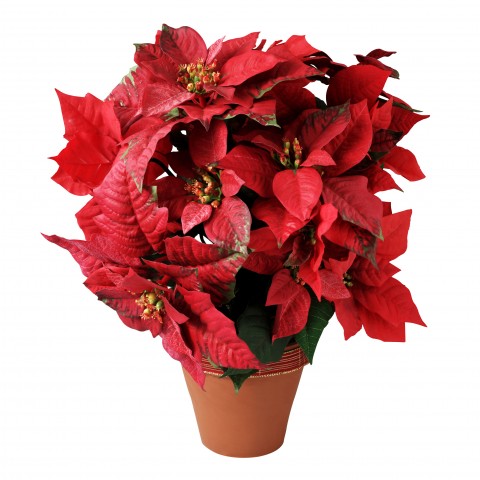
Homes and churches display Nacimiento Nativity scenes—often more elaborate than Christmas trees. Mexico also uses poinsettias, called Flores de Nochebuena, which originated in Mexico and became global Christmas symbols. Streets glow with lights, and markets sell Mexican Christmas ornaments, elaborate decorations, and seasonal foods.
Music is another key touchpoint. Traditional Mexican Christmas songs and villancicos, alongside popular hits like “Feliz Navidad,” fill markets, plazas, and churches during the season.
E. Fun Facts About Christmas in Mexico
- The poinsettia is native to Mexico; its association with Christmas stems from a legend about a poor girl’s humble gift becoming a miraculous flower.
- The correct term is “Las Posadas”, not “los posadas”, though the latter appears mistakenly.
- Some Mexican towns—like Tlalpujahua—produce millions of unique handcrafted Mexican Christmas ornaments.
- Mexico’s holiday season often extends from the Feast of Our Lady of Guadalupe (December 12th) to Día de Reyes (January 6th)—a nearly month-long celebration.
3. Christmas in Latin America
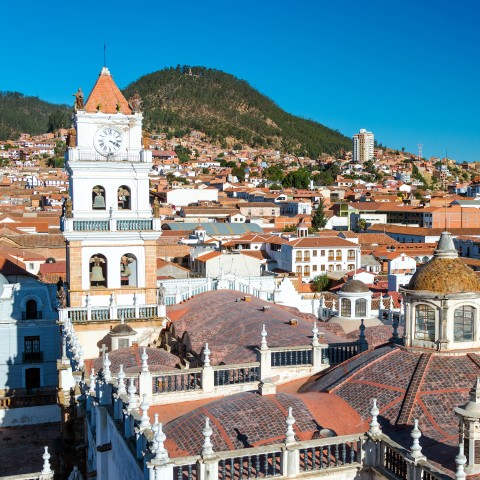
Latin America’s Christmas season is rooted in Catholic observance but shaped by climate, local history, and regional food traditions. Most countries celebrate Nochebuena with a late dinner, followed by Midnight Mass and gift-giving around midnight.
A. Religious and Family Traditions
Across much of Latin America—such as Colombia, Ecuador, and Venezuela—families take part in nightly Novena prayers from December 16th to 24th. Christmas Day is restful and family-oriented. In many places, children historically received gifts from El Niño Dios or the Three Kings, but Santa Claus (Papá Noel) is now common.
B. Food Across the Region
Latin American Christmas menus vary by climate and geography. Examples include:
- Hallacas (Venezuela): cornmeal parcels similar to tamales.
- Pasteles (Puerto Rico): green plantain dough with pork.
- Asados (Argentina and Uruguay): outdoor barbecues in the summer heat.
- Panettone (Peru, Chile, Argentina): Italian sweet bread adopted as a holiday staple.
Shared dishes like tamales, Christmas punches, and sweets are found across many countries.
C. Music, Fireworks, and Decorating
Latin Americans love musical celebrations. In Puerto Rico, parrandas are all-night musical visits to friends’ homes. In Venezuela, traditional gaitas and aguinaldos are popular seasonal genres. Churches and town squares often feature life-size Nativity scenes, while tropical countries add palm trees, lanterns, and colorful lights.
Fireworks are widespread. Guatemala, Mexico, Peru, and others celebrate midnight on December 24th with bursts of firecrackers and sky-brightening displays.
D. Unique Traditions
I. Venezuela:
In Caracas, people roller-skate to early morning Mass, with roads closing to allow the tradition.
II. Guatemala:
The season starts with La Quema del Diablo (Burning of the Devil) on December 7th.
III. Puerto Rico:
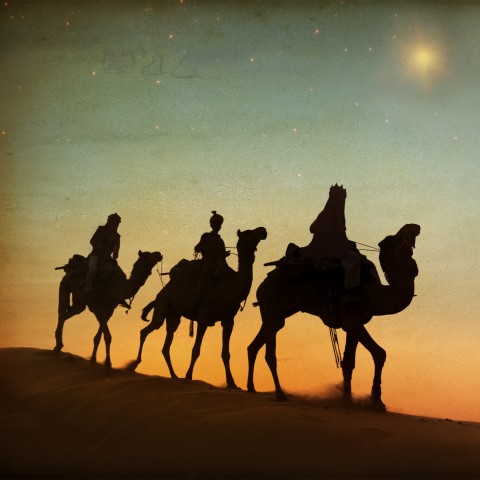
Children leave grass for the Magi’s camels on January 5th.
IV. Chile:
Santa is known as Viejito Pascuero.
V. Argentina:
Midnight fireworks and outdoor celebrations highlight Christmas Eve.
4. Holiday Greetings and Wishes for the Holiday Season

Now, let’s go over some common Spanish holiday phrases you might want to know.
A. Merry Christmas!
¡Feliz Navidad!
Do you know how to say ‘Merry Christmas’ in Spanish? Learn here how to pronounce it perfectly! ‘Merry’ means to be joyful, to celebrate and generally be in good spirits.
B. Have a happy New Year!
¡Que tengas un feliz año nuevo!
In countries where Christmas is not officially celebrated, but a Gregorian calendar is observed, this would be a friendly festive-season wish over New Year.
C. Happy Hanukkah!
¡Feliz Hanukkah!
Hanukkah is a Jewish festival celebrated during November or December each year. It is also called the ‘Festival of Lights’ and is celebrated to commemorate the Jewish freedom of religion.
D. Have a great winter vacation!
Que tengas unas vacaciones invernales fantásticas
This is a good phrase to keep handy if someone doesn’t observe any religious festival over the Christmas holidays! However, this will only be applicable in the Northern hemisphere, where it is winter over Christmas.
E. See you next year!
¡Nos vemos el próximo año!
Going away on holiday over Christmas season, or saying goodbye to someone about to leave on vacation? This would be a good way to say goodbye to your friends and family.
F. Warm wishes!
¡Mis mejores deseos!
An informal, friendly phrase to write in Spanish Christmas cards, especially for secular friends who prefer to observe Christmas celebrations without the religious symbolism. It conveys the warmth of friendship and friendly wishes associated with this time of year.
G. Happy holidays!
¡Felices vacaciones!
If you forget how to say ‘Merry Christmas!’ in Spanish, this is a safe, generic phrase to use instead.
H. Enjoy the holidays!
¡Disfruta las vacaciones!
After saying ‘Merry Christmas’ in Spanish, this would be a good phrase with which to wish Christmas holiday-goers well! It is also good to use for secular friends who don’t celebrate Christmas but take a holiday at this time of the year.
I. Best wishes for the New Year!
¡Mis mejores deseos para el año nuevo!
This is another way of wishing someone well in the New Year if they observe a Gregorian calendar. New Year’s day would then fall on January 1st.
5. Conclusion
Christmas in Spain, Mexico, and the wider Latin American world is far more than a single day—it’s a season shaped by deep-rooted traditions, joyful gatherings, and a shared sense of community. From Spain’s cherished Three Kings Day to Mexico’s lively Las Posadas and the diverse celebrations across Latin America, each region offers its own blend of faith, food, music, and festivity.
For travelers, these customs provide a meaningful way to experience local culture; for learners, they offer insight into how history, religion, and family come together during the holidays. Whether you’re tasting Mexican Christmas food, watching Spanish Cabalgatas, or hearing Latin American villancicos, the spirit of Navidad is unmistakable—warm, welcoming, and rich with tradition.